

 Share
Share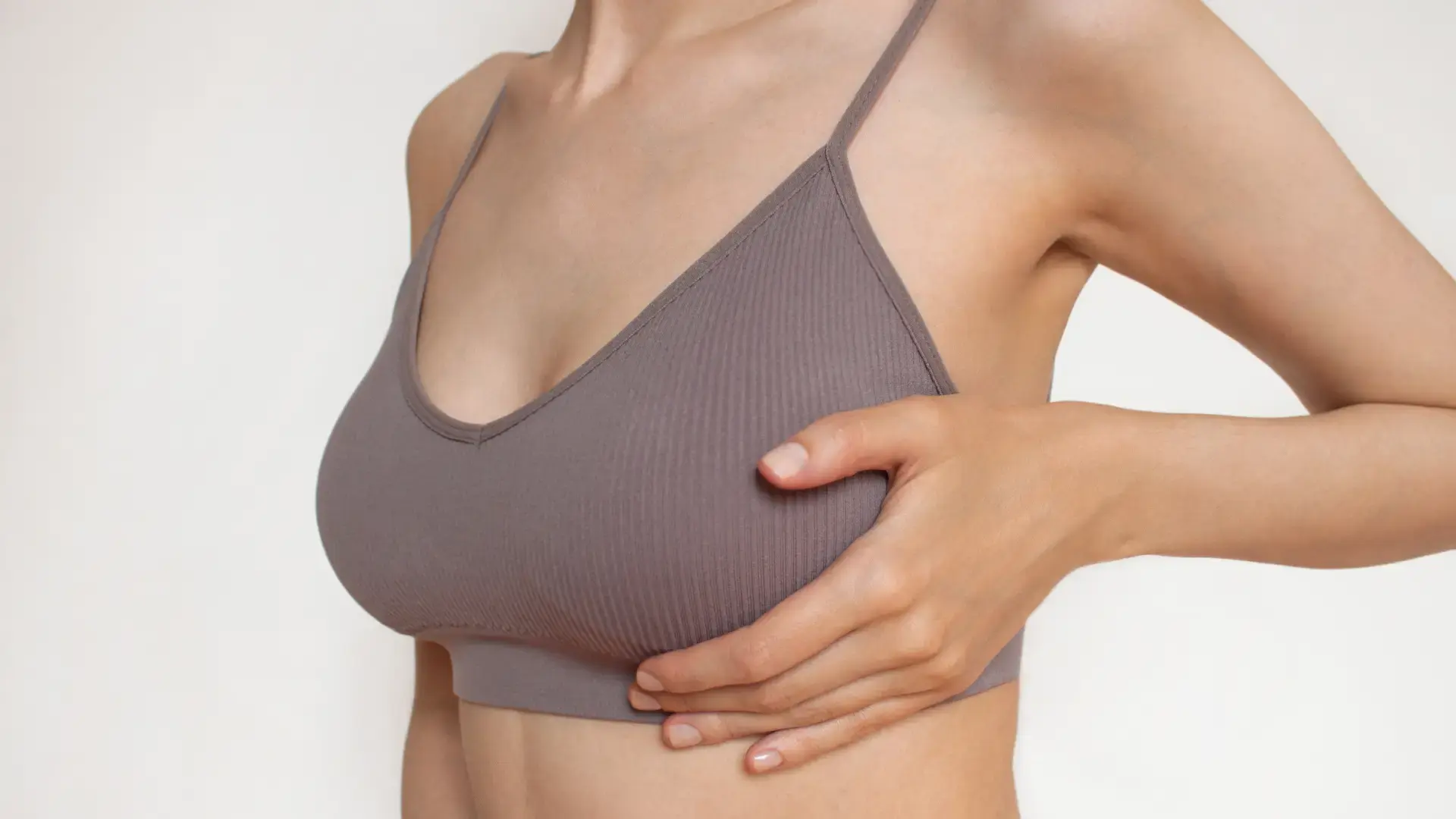
When patients learn about DIEP flap reconstruction as an option for breast reconstruction after a mastectomy, one of the first questions they ask is how painful the procedure is. It’s a completely natural concern—after all, this is a major surgery and a deeply personal step toward healing. We want to help our patients understand what to expect before, during, and after surgery, so they feel empowered and prepared.
What Is DIEP Flap Breast Reconstruction?
The DIEP flap uses a patient’s skin and fat from the lower abdomen to recreate a breast. The abdominal incision runs from hip to hip, just like a tummy tuck scar. Because of this, patients tend to think this procedure will be more painful and require a longer recovery time compared to implant reconstruction.
Is DIEP Flap Surgery Painful?
Although DIEP flap surgery is more complex than implant reconstruction, it’s a misconception that it’s more painful. Most patients experience temporary discomfort in both the chest and abdomen, but it’s typically well-managed with medication and enhanced recovery protocols. The chest often feels tight or sore rather than intensely painful, while the abdominal area—similar to a tummy tuck—is usually where most post-op discomfort is concentrated.
Long-term pain is rare, and many women find they feel more natural and comfortable after healing than they ever did with implants. PRMA’s advanced microsurgical techniques and dual-surgeon approach help reduce surgical time, minimize complications, and support a smoother recovery overall.
How PRMA Minimizes Pain with ERAS Protocol
At PRMA, we take every measure to ensure your recovery is as smooth and comfortable as possible. We achieve this with our Enhanced Recovery After Surgery (ERAS) protocol. This evidence-based approach is designed to reduce pain, limit narcotic use, and help you get back on your feet sooner.
Thanks to ERAS, most patients are walking the day after surgery, experience less overall discomfort, and only stay in the hospital for 2 to 3 days. By focusing on proactive pain management, early mobility, and optimized nutrition, the ERAS protocol supports a faster and safer recovery—and many of our patients tell us the experience was far easier than they had ever expected.
Patient Experiences with DIEP Recovery at PRMA
Laurie recently underwent bilateral DIEP flap reconstruction. Just two weeks after surgery, she shares that she “feels amazing” and is only taking Tylenol on occasion to help with any discomfort.
Laurie's Story – Recovery with Minimal Pain
“I had the worst anxiety before surgery,” shares Laurie. Now, at two weeks post-op, she says that choosing to have a DIEP flap was “100% the right choice.” “I was in the hospital for only two days and had no pain,” Laurie continues.
Laurie’s experience is reflected in the majority of our patients undergoing reconstruction. Our ERAS protocol has been a game-changer for patients. Patients are experiencing less pain, taking little to no narcotics, are up walking the day after surgery, and can return home from the hospital in as little as 2 days.
How Long Does Pain Last After DIEP Surgery?
Everyone’s healing experience is unique, but most patients follow a similar recovery timeline—and the good news is that pain typically improves each week.
First 1–2 Weeks
- Soreness and tightness are normal, especially in the abdominal area where the tissue was taken.
- Many patients describe the feeling as more of a deep ache or muscle tightness rather than sharp pain.
- The chest area is rarely a major source of pain and often just feels tender or tight.
Week-by-Week Progress
- Week 2–4: Discomfort continues to decrease, mobility improves, and many patients begin light activities.
- Week 4–6: Most patients no longer need prescription pain medication and start resuming normal routines.
- After 6 weeks: While minor sensitivity or fatigue may linger, most pain has resolved, and you’re well into the healing phase.
Pain that extends beyond this timeframe is uncommon, and we’re here to support you every step of the way. For a more detailed look at what to expect, visit our DIEP Flap Recovery Timeline blog.
Tips for Managing Discomfort After Surgery
Stay mobile early
Staying gently mobile is one of the most effective ways to support your recovery. We encourage patients to start walking as early as the day after surgery. Short, frequent walks help improve circulation, reduce stiffness, and lower the risk of complications—all while promoting a sense of progress and independence.
Wear post-surgery garments
Wearing your post-surgical garments as instructed makes a noticeable difference. The abdominal binder provides core support and helps reduce swelling, while a soft compression bra offers gentle support to the chest and protects the healing tissue.
Eat nutrient-rich foods
Nutrition also plays a key role. Choosing an anti-inflammatory diet rich in leafy greens, lean protein, berries, and healthy fats can help reduce swelling and speed up tissue repair. Staying hydrated and limiting processed foods will also support your body’s natural healing response.
Rest and limit heavy lifting
Finally, give yourself permission to rest. Healing takes energy, and it’s important to listen to your body. While rest is essential, you’ll also want to avoid complete inactivity. Striking the right balance and avoiding heavy lifting during the first few weeks will help you recover safely and comfortably.
When to Call Your Surgeon
After surgery, it’s normal to experience mild to moderate soreness, tightness in the abdomen, fatigue, and some swelling or bruising around your incisions. These symptoms should gradually improve each day, especially with rest, mobility, and proper pain management.
However, if pain worsens instead of improving, or if you experience any new or alarming symptoms, please report them to your surgeon. These may indicate an issue that needs medical attention.
Contact your surgical team right away if you experience any of the following:
- Sharp, shooting, or worsening pain that doesn’t respond to medication
- Sudden or significant swelling in the breast or abdominal area
- Redness that spreads or feels warm to the touch
- Drainage from the incision that is thick, foul-smelling, or discolored
- A fever over 100.4°F
- Difficulty breathing or chest pain (seek emergency care)
At PRMA, we want you to feel safe and supported throughout your healing journey. If you’re ever unsure whether something is normal, it’s always okay to reach out. Our team is here to help.
Ready to Explore DIEP Flap with Less Pain and Better Results?
If you’re considering breast reconstruction and want to learn more about a natural, long-term solution with minimized pain and exceptional outcomes, we’re here for you. Schedule a consultation with PRMA today and take the next step toward reclaiming your confidence, comfort, and wholeness.