PRMA - Breast Augmentation & Implants (T3)

Breast Augmentation & Implants

What is Breast Augmentation?

If you’ve ever wished for fuller, more proportioned breasts, breast augmentation with implants may be the solution. 

Whether you’re seeking to enhance your natural curves, restore volume lost due to pregnancy or weight loss, or achieve better symmetry, our expert team at PRMA is here to guide you. Breast augmentation is one of the most popular procedures at our practice, offering immediate, transformative results that align with your unique goals.
PRMA-breast-augmentation-and-implants

Key Information

checkmark-23x23

Procedure time is typically 1–2 hours under general anesthesia.

checkmark-23x23

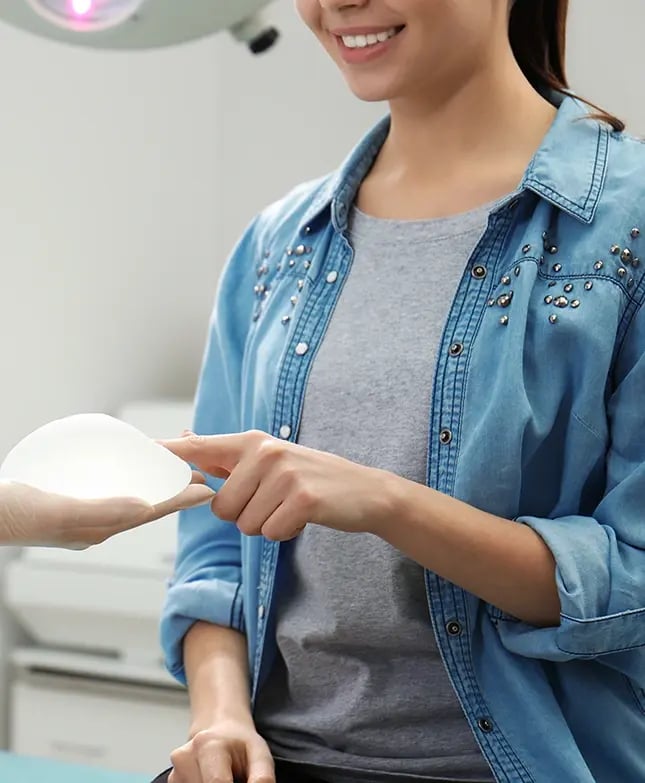
Options include saline or silicone gel implants.
Implants are placed above or below the chest muscle.

checkmark-23x23

Common incision sites are inframammary, periareolar, or transaxillary.

checkmark-23x23

Provides immediate results with a fuller, natural look.

checkmark-23x23

Recovery typically takes 1–2 weeks, with complete healing in 4–6 weeks.

checkmark-23x23

Implants generally last 10–20 years but may require maintenance or replacement.

What to Expect During Surgery

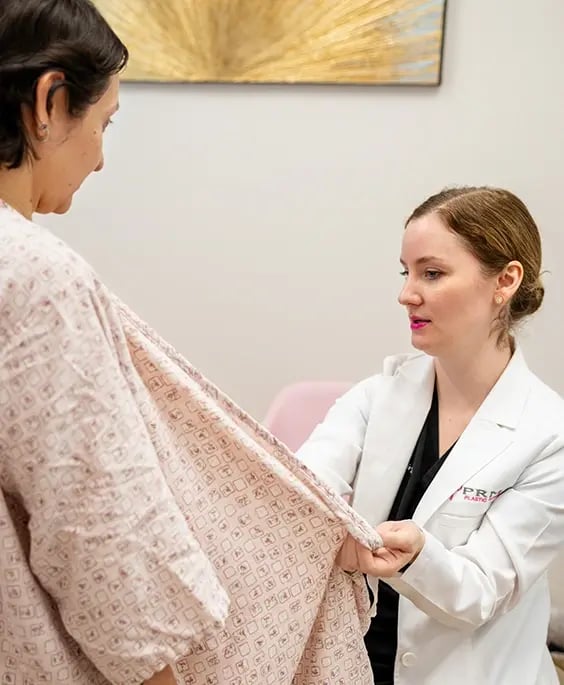
Breast augmentation surgery is typically performed under general anesthesia and takes about 1 to 2 hours. After the patient is comfortably asleep, the surgeon begins by making a small incision, which may be placed in the inframammary fold (under the breast), around the areola, or in the armpit, depending on the patient’s anatomy and preferences. Through this incision, the surgeon creates a pocket either beneath the breast tissue or under the chest muscle to accommodate the implant.

The chosen breast implants, whether saline or silicone, smooth or textured, are then carefully placed into the pockets, ensuring symmetry and a natural shape. Once in place, the incisions are meticulously closed with sutures.

A surgical bra or supportive bandage is typically applied to aid healing and comfort. Patients are then moved to recovery for monitoring before being released to go home the same day.
PRMA-breast-augmentation-and-implants-what-to-expect-during-surgery
real prma transformations

Before & After

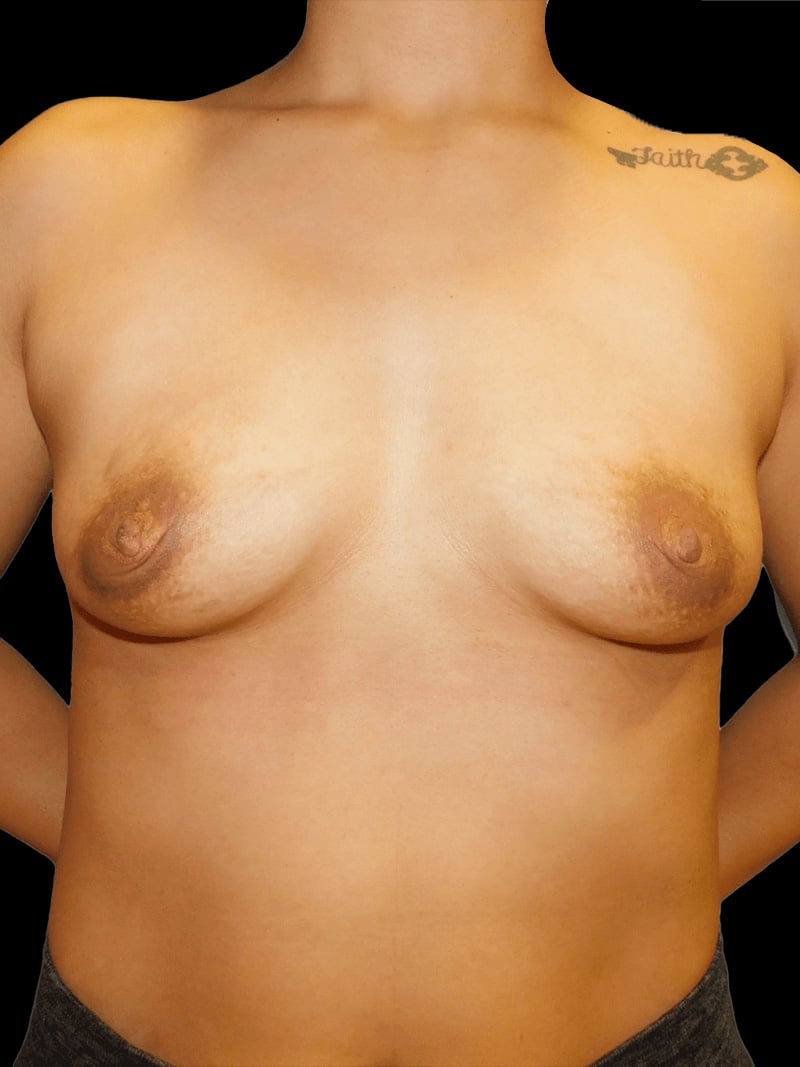
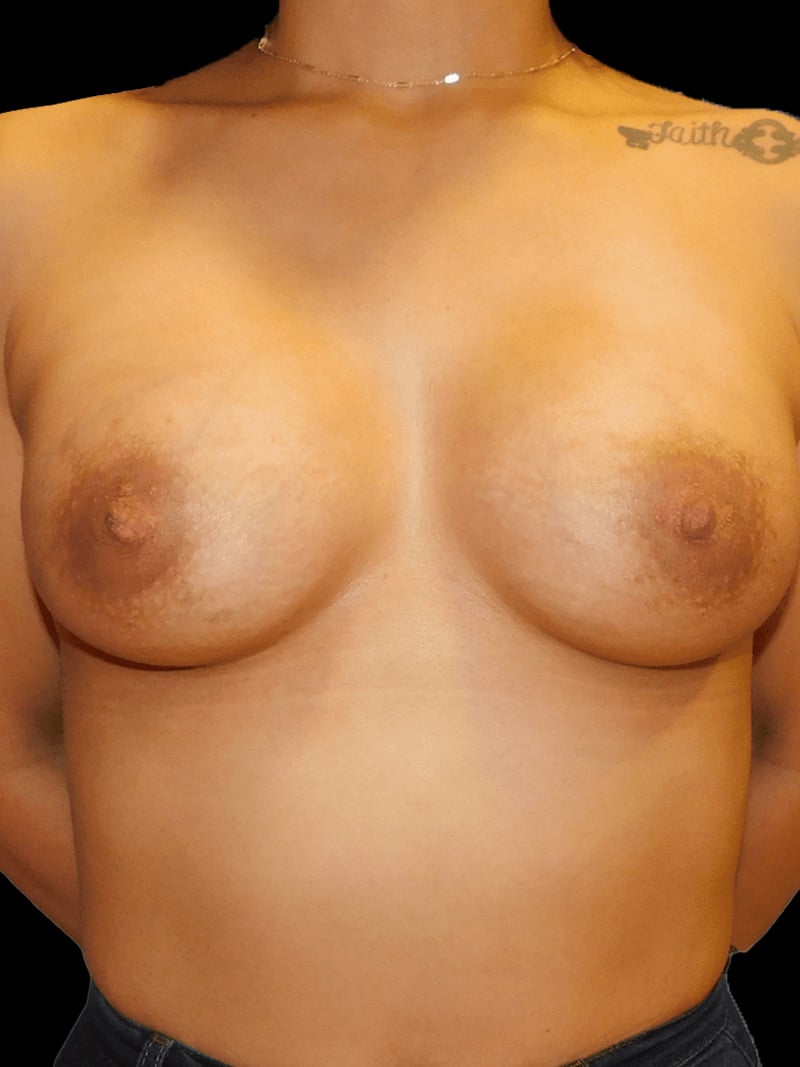
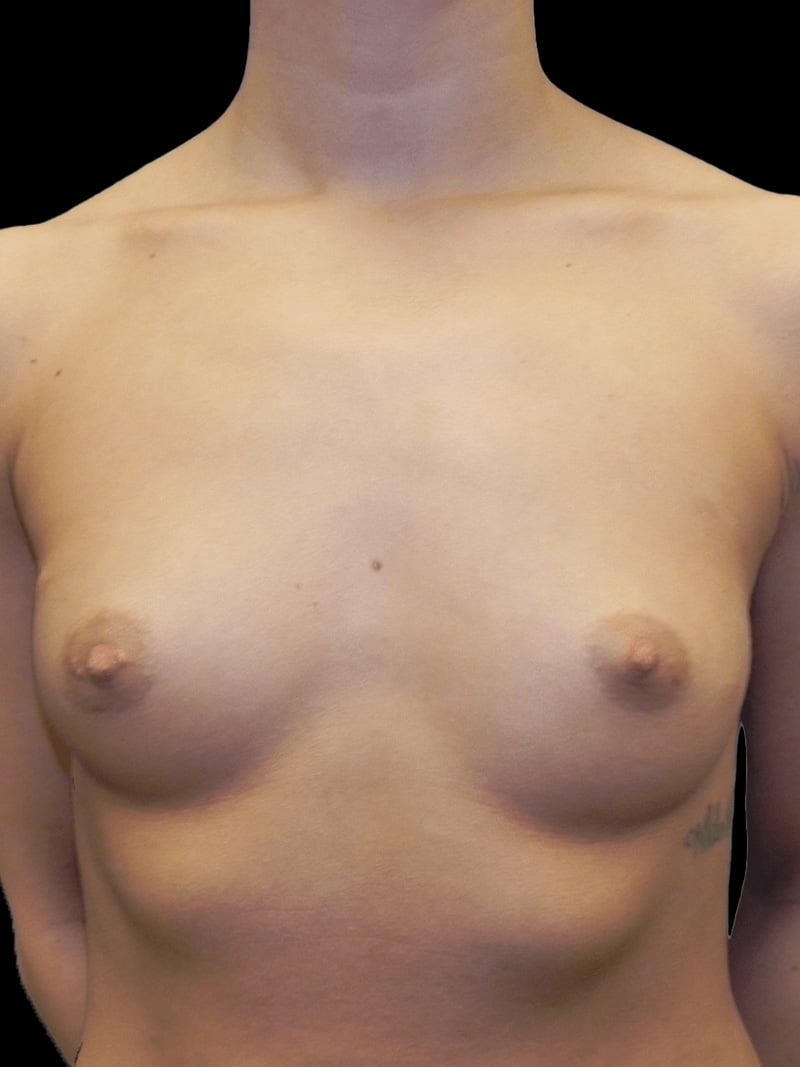
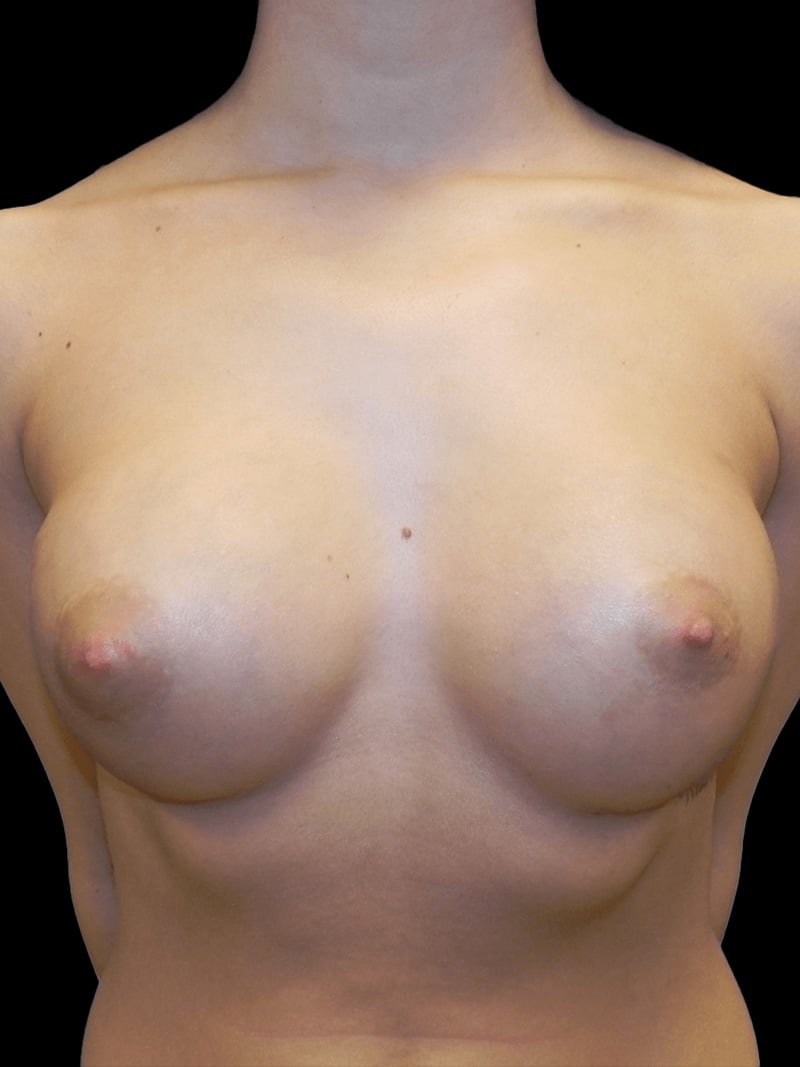
See real results from women who’ve trusted PRMA with their reconstruction journey.
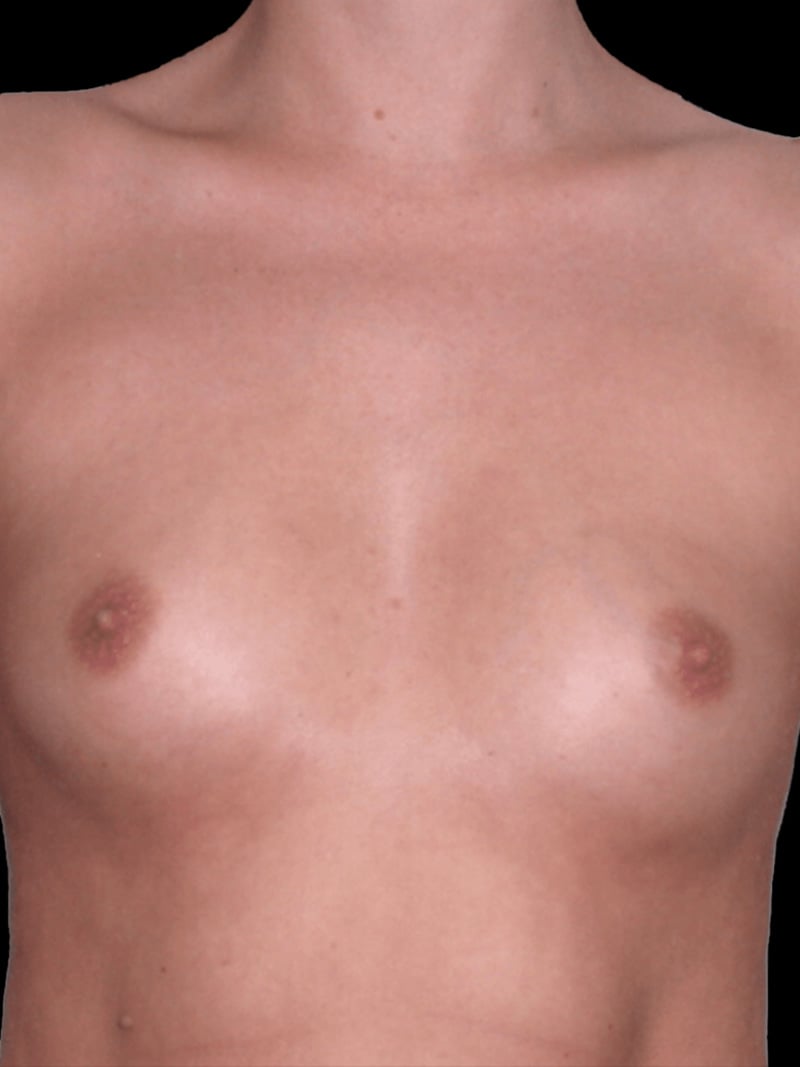
Before Breast Aug. Before 1
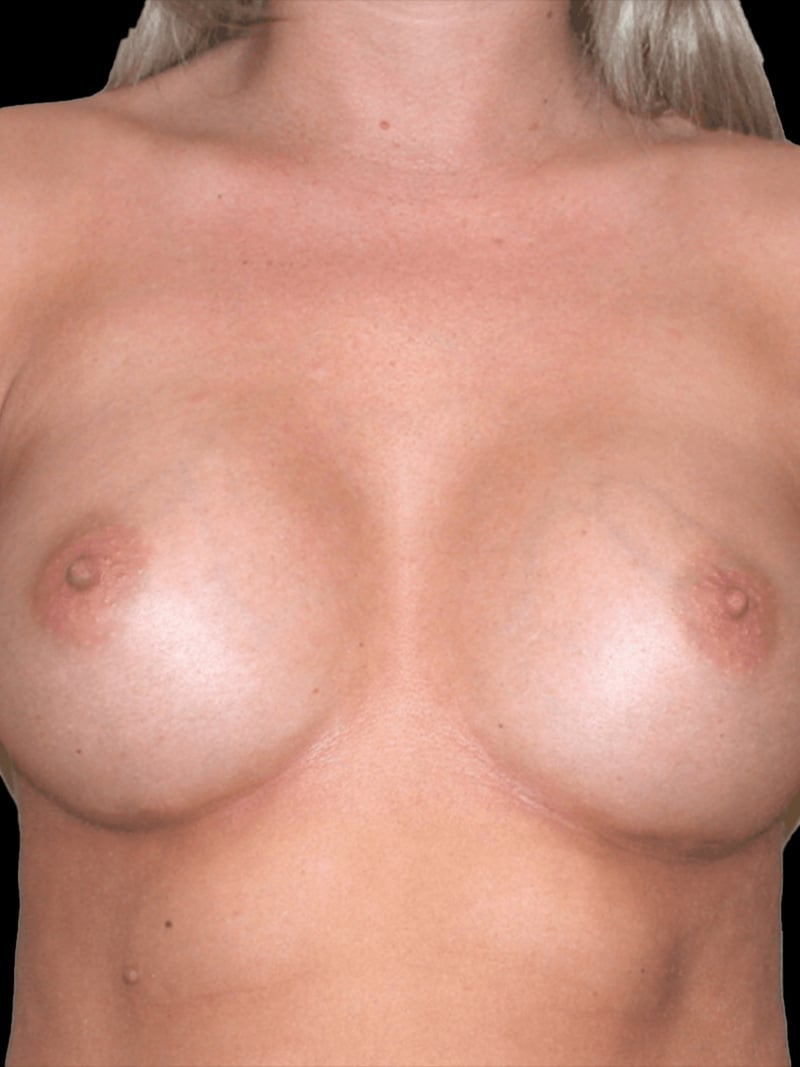
After Breast Aug. After 1
Procedure: Bilateral breast augmentation with silicone implants.
Before Breast Aug. Before 2
After Breat Aug. After 2
Procedure: Bilateral breast augmentation with silicone implants.
Before Breast Aug. Before 3
After Breast Aug. After 3
Procedure: Bilateral breast augmentation with silicone implants.

Recovery Timeline

  • Week 1:
    Most patients experience swelling, bruising, and discomfort during the first week after surgery, which is managed with medication. Patients may resume light activities, but it’s important to avoid lifting and strenuous movements.
  • Week 2:
    Swelling begins to subside, and discomfort improves. Many patients feel ready to return to non-physical work or daily routines, though exercise and heavy lifting should still be avoided.
  • Week 3-4:
    Most swelling resolves by the third and fourth week, and patients notice a more settled implant appearance. With surgeon approval, light exercise may be resumed, but high-impact activities are still restricted.
  • Week 5-6:
    Patients typically feel back to normal and may resume all activities, including more strenuous exercise, as advised by their surgeon.
surgical-experts2

The Nation’s Destination for
Sensation Restoration

PRMA has transformed breast reconstruction with their revolutionary TruSense® procedure, a proprietary technique that restores breast sensation in qualified patients—giving back not just form, but feeling.

Will Insurance Cover Breast Implants?

If you are looking to enhance the size, shape, or symmetry of your breasts, you may be a good candidate for breast augmentation. However, with any procedure, some candidates may be better suited for surgery than others.

You may be a strong candidate for breast augmentation and implants if:

  • You are in good overall health with no major medical conditions.
  • Your breasts are fully developed, and you are over 18 for saline implants or over 22 for silicone implants.
  • You want to enhance breast size, shape, or symmetry.
  • You seek to restore breast volume lost from pregnancy, weight loss, or aging.
  • You have realistic expectations for surgical outcomes.
  • You are not pregnant or breastfeeding at the time of surgery.

Find Your Surgeon

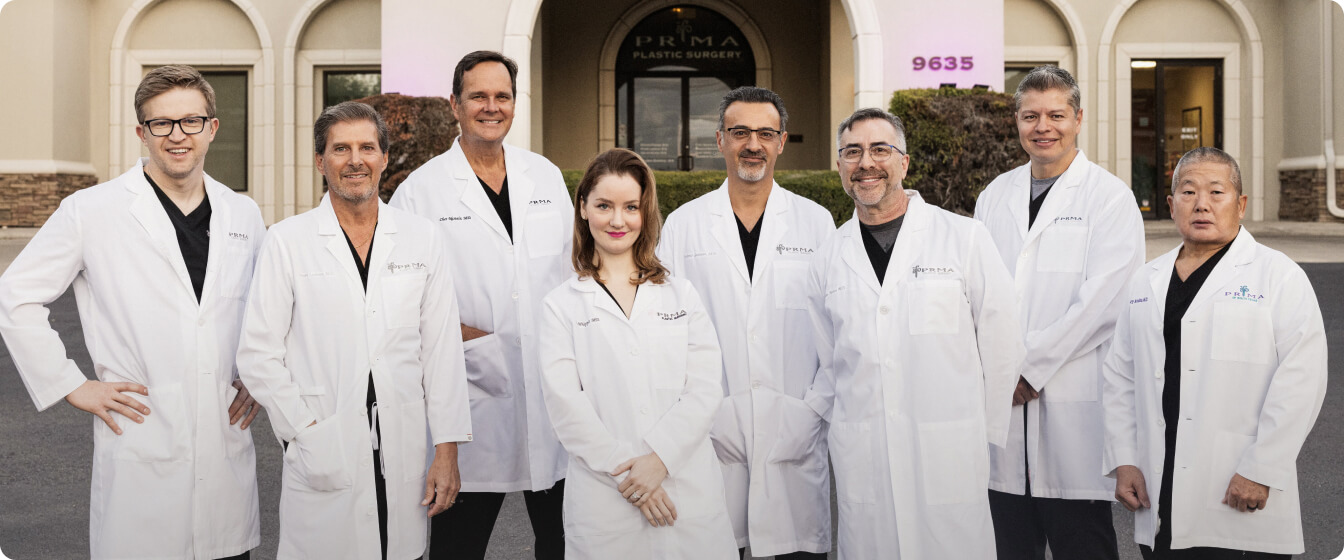
PRMA is the only center in San Antonio, Texas, and one of the few centers worldwide that offers breast reconstruction on such a large scale. Discover why thousands of women travel from across Texas, the US, and the world for their breast reconstruction surgery. We are proud to have a tremendous global reputation for surgical excellence.
gassmantransparent
Dr. Andrew Gassman
Plastic & Reconstructive Microsurgeon specializing in breast reconstruction and aesthetic surgery
friestransparent
Dr. Anton Fries
Board-Certified Plastic Surgeon specializing in advanced lymphatic surgery and reconstructive microsurgery
whippletransparent
Dr. Lauren Whipple
Plastic & Reconstructive Microsurgeon specializing in breast reconstruction and reconstructive care
acevedotransparent
Dr. Edwin Acevedo
Plastic & Reconstructive Microsurgeon specializing in breast reconstruction and microsurgery

Will Insurance Cover Breast Implants?

In most cases, breast augmentation for cosmetic purposes is not covered by insurance. However, if the implants are part of a breast reconstruction following mastectomy or trauma, insurance may cover the procedure under certain circumstances. 

It’s essential to check with your insurance provider for specific coverage details, and our team is happy to assist you in navigating your options.

For more information, visit the Insurance FAQs in the patient resource center. 
PRMA-breast-augmentation-and-implants-preparing-for-surgery

Preparing for Breast Augmentation in Texas

Whether you’re local or traveling, we’re here to make your experience as smooth and stress-free as possible. Explore what to expect before breast augmentation surgery and how to plan your trip to PRMA.

Learn more about:

Frequently Asked Questions

How long do breast implants typically last?
Breast implants are not lifetime devices. While many can last 10–20 years without issues, some patients may need a revision or replacement surgery if complications arise or aesthetic preferences change.
Will breast implants affect my ability to breastfeed?
Most women with breast implants can breastfeed, especially when implants are placed beneath the chest muscle. However, discussing this with your surgeon is important, as factors such as incision type and placement may influence breastfeeding outcomes.
How do I choose between saline and silicone implants?
Choosing between saline and silicone depends on your desired feel, look, and personal preferences. Silicone implants feel more natural, while saline implants allow for adjustable sizing and smaller incisions. Your PRMA surgeon will help guide this decision based on your goals and anatomy.
Will breast implants change over time?
Yes, implants and natural breast tissue may change over time due to aging, gravity, weight fluctuations, or hormonal changes. Regular follow-ups with your surgeon can help monitor changes and maintain your desired look.

Embrace the Next Chapter of You