

 Share
Share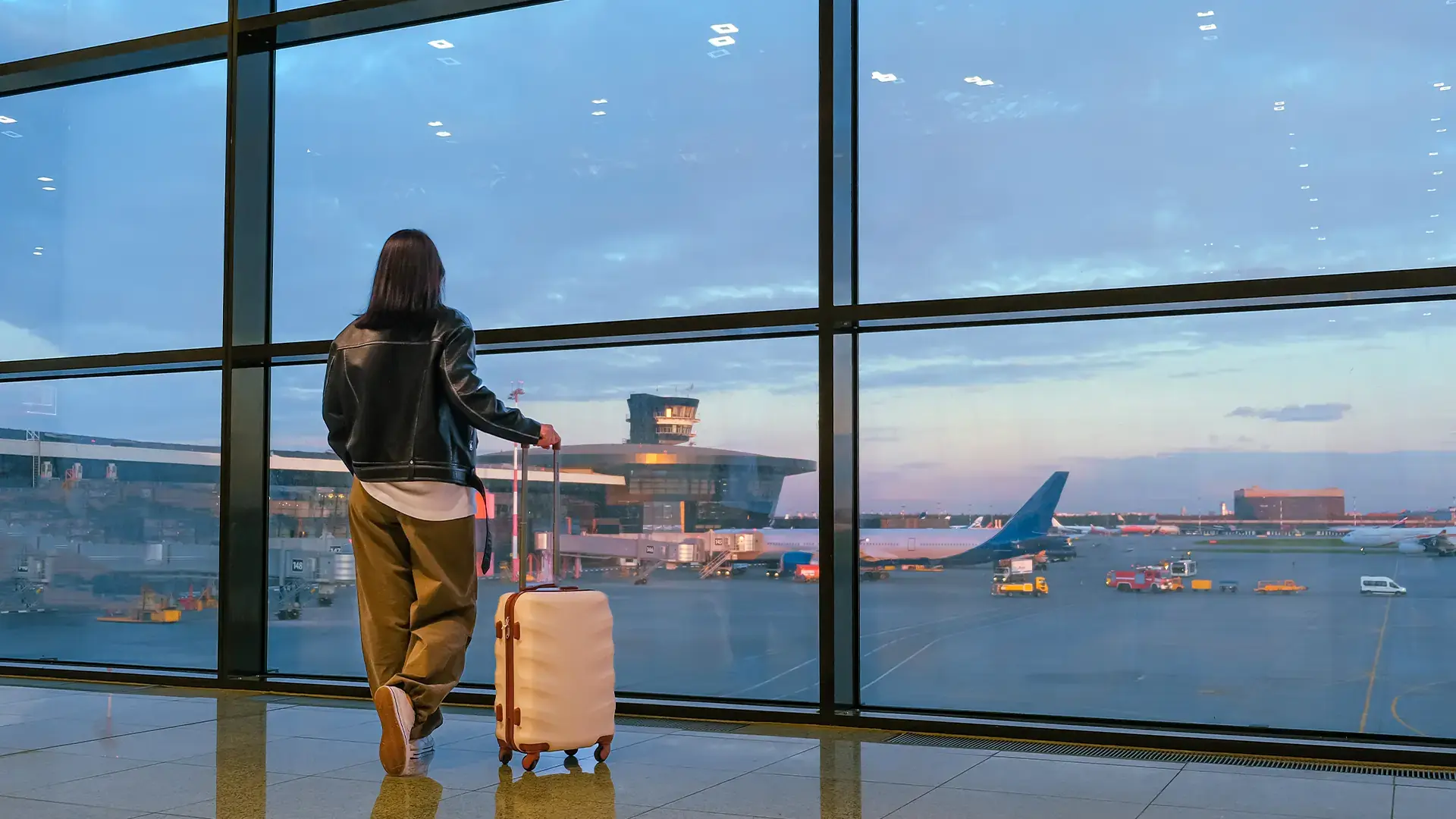
Many women find PRMA the same way—hours deep into research, learning that the surgery they want isn't available anywhere near home. The DIEP flap. Sensation restoration. A dual-surgeon approach. These aren't standard offerings at most hospitals, and discovering that can feel discouraging.
But here's what thousands of our patients have learned: traveling for breast reconstruction isn't as difficult or overwhelming as it may sound. With the right guidance, it's a manageable process, and for many women, it's been the most important decision of their recovery journey.
Here's what you actually need to know.
Why Do Patients Travel for Breast Reconstruction?
The short answer: not all breast reconstruction is the same, and not all surgeons offer the same options.
Advanced microsurgical procedures, such as the DIEP flap, require years of specialized training. Many women are only offered implants by local surgeons—not because implants are necessarily the right choice, but because flap surgery isn't in every surgeon's skill set. Outcomes at high-volume, specialized centers are also consistently better than at practices where these procedures are rare.
PRMA performs thousands of reconstructions using techniques that simply aren't available most places—including TruSense® sensation restoration, High Def DIEP®, and a dual-surgeon approach for every flap procedure. For women who want natural tissue reconstruction and long-term results, traveling to a center like this isn't a last resort. It's a deliberate, well-reasoned choice.
How the Out-of-State Breast Reconstruction Process Works
Once you decide to explore care at PRMA, the process moves in clear, supported steps. Here's how it works.
Step 1 — Start with a Virtual Consultation
You don't need to book a flight to get started. PRMA offers virtual consultations so you can meet with a surgeon, discuss your medical history and goals, and find out if you're a candidate—all from home. Most patients only travel to San Antonio for the surgery itself.
You can request a virtual appointment here.
Step 2 — Planning Your Travel to San Antonio
San Antonio is accessible via direct flights from most major U.S. cities through San Antonio International Airport (SAT). PRMA's team handles logistics and can recommend the local hotels we work with, which offer reduced rates for our patients.
Plan to arrive a day or two before your procedure, and bring someone with you, like a spouse, family member, or close friend. Having support during recovery makes a real difference. Most patients stay in San Antonio for one to two weeks before heading home.
Step 3 — Surgery and Recovery at PRMA
DIEP flap surgery typically involves a two-to-four-day hospital stay, followed by close monitoring at PRMA before you're cleared to return home. Before you leave San Antonio, your care team will schedule follow-up appointments and walk you through everything you need for recovery.
Step 4 — Returning Home and Remote Follow-Up
PRMA stays connected with you, even once you’re home. The team provides remote support throughout your recovery and can coordinate directly with your local providers when needed. Any additional procedures, like a second stage or nipple reconstruction, are scheduled as return visits, typically making the total number of trips two to three.
Will Insurance Cover It?
This is often the first question, and it's a fair one.
Under the Women's Health and Cancer Rights Act, most insurance plans are required to cover breast reconstruction, including revision and symmetry procedures. Whether PRMA is in-network with your specific plan determines the details of your coverage.
Still, PRMA works with most major insurance providers and has an experienced team to help you understand your benefits before you commit to anything.
Of course, travel costs, like flights and hotels, aren't typically covered by insurance, but they may be eligible for FSA or HSA reimbursement. The bottom line: don't assume traveling is financially out of reach before letting PRMA's team review your plan.
Common Concerns About Out-of-State Surgery for Breast Cancer (Answered)
“What if something goes wrong after I return home?”
PRMA provides detailed discharge instructions and stays reachable for remote follow-up. Serious complications are rare, as PRMA's 99+% success rate reflects, but if anything comes up locally, your care team can coordinate directly with providers near you.
“Is it safe to fly after breast reconstruction surgery?”
Most patients can fly home within two weeks of their surgery. PRMA will give you personalized guidance based on your procedure and recovery progress. Practical tip: choose an aisle seat, get up periodically, and stay hydrated.
“How many trips to San Antonio will I need?”
Breast reconstruction surgery usually requires two to three trips total, including your main surgery visit, plus one or two return trips for follow-up procedures. Virtual consultations and remote follow-up keep in-person travel to a minimum.
Ready to Explore Your Options? Start with a Virtual Consultation
For more than 30 years, women from across the country have traveled to PRMA and called it one of the best decisions they made. The expertise, the care, the outcomes—they were worth the miles.
You don't have to settle for what's available locally. Whether you're newly diagnosed or reconsidering implants years later, start by learning what's possible. A virtual consultation costs you nothing but time, and it could change everything.