Breast Implant Illness
- Home
- Breast Reconstruction
- Revision Corrective Surgery
- Implant Illness
What is Breast Implant Illness?
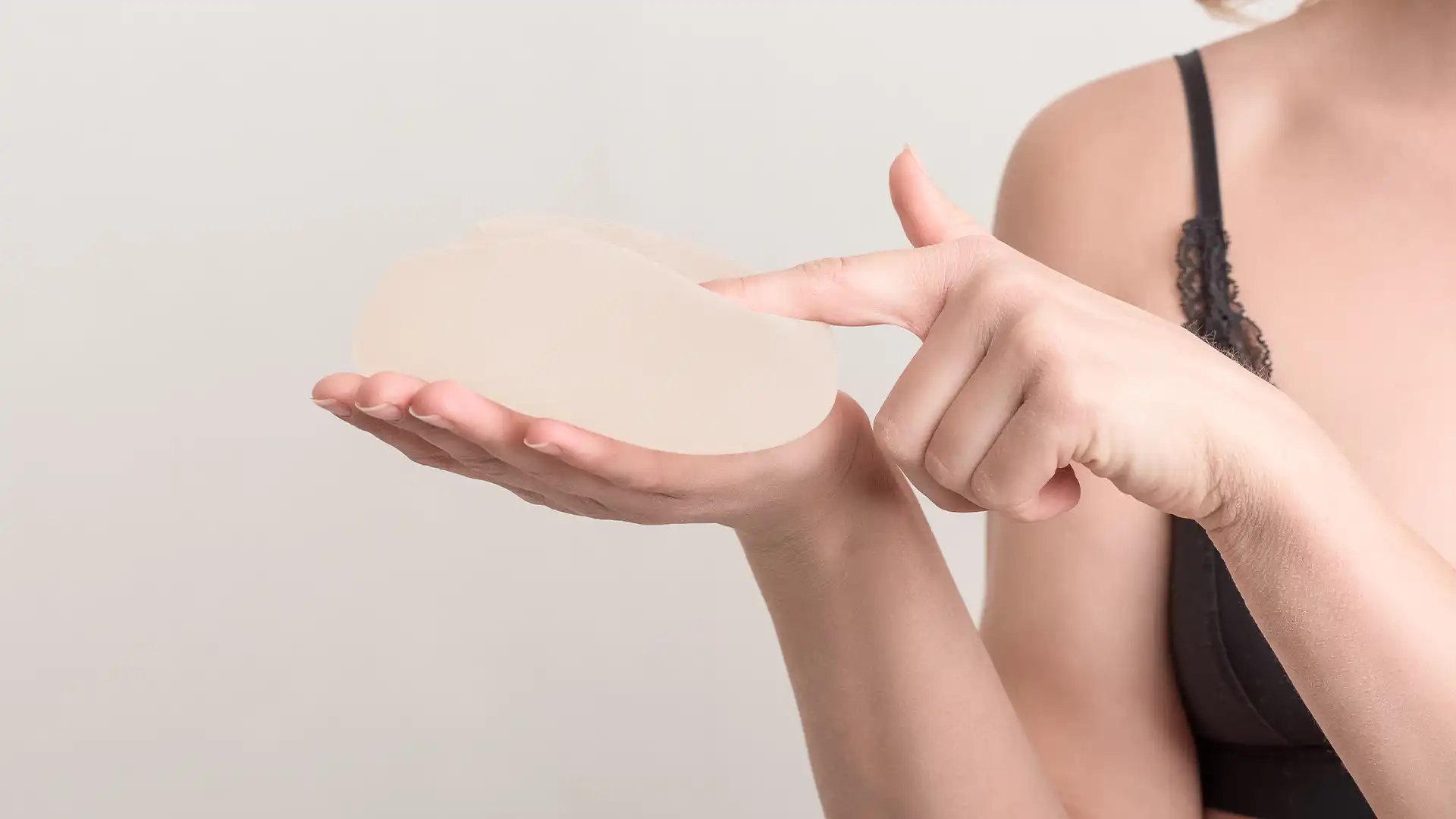
If you’ve been searching for answers to unexplained symptoms, you may wonder whether your breast implants could be playing a role. Breast implant illness (BII), sometimes referred to as breast implant sickness, describes a range of health concerns that some women experience after receiving breast implants.
Symptoms of BII commonly include:
-
Fatigue
-
Brain fog
-
Joint and muscle pain
-
Headaches
-
Anxiety
-
Hair loss
While breast implant illness is not an official medical diagnosis, your concerns are important. At PRMA, our surgeons listen to you, conduct a thorough evaluation, and help you decide what to do next.

Key Information
- Breast implant illness affects every woman differently.
- Health concerns may develop months or years after surgery.
- Because symptoms can overlap with other conditions, a thorough evaluation is critical.
- For women who believe their implants are contributing to how they’re feeling, explant surgery (breast implant removal) may be an option.
- Depending on your health and goals, you may be a candidate for tissue-based reconstruction using your own tissue, such as a DIEP flap.
- PRMA specializes in both breast implant removal and advanced microsurgical breast reconstruction.
Understanding Your Options
Explant Surgery
You may also hear the term en bloc capsulectomy during your research. In an en bloc capsulectomy, the implant and the scar tissue surrounding it are removed together as a single unit. While this procedure can be appropriate in certain situations, it’s not always deemed necessary. Your surgeon will recommend the safest and most appropriate approach based on your symptoms, imaging, the condition of your implants, and current medical evidence.
Breast Reconstruction After Explant Surgery
For qualified candidates, a DIEP flap uses your own living tissue to rebuild the breast without placing new implants. PRMA specializes in this advanced microsurgical procedure, which uses skin and fat from your lower abdomen to create soft, natural-looking breasts without implants.
During your consultation, your breast implant illness specialist will explain whether a DIEP flap or another reconstruction procedure is a good fit based on your anatomy, medical history, and personal goals.
What to Expect During Surgery
Before surgery, your PRMA surgeon will review each step of the procedure, answer your questions, and make sure you feel confident about your treatment plan.
During surgery, your surgeon will remove your breast implants. If needed, part or all of the capsule—the scar tissue that forms around an implant—may also be removed. The best surgical approach depends on several factors, including the condition of your implants and your anatomy.
If you choose tissue-based reconstruction and are a qualified candidate, a DIEP flap procedure is typically performed during the same operation as your explant surgery. This allows your surgeon to remove the implants while restoring breast shape using your own tissue, eliminating the need for new implants.
After surgery, you’ll spend time in a recovery area while your care team monitors your comfort and healing. Before you go home, you’ll receive detailed instructions about caring for your incisions, activity restrictions, and follow-up appointments.
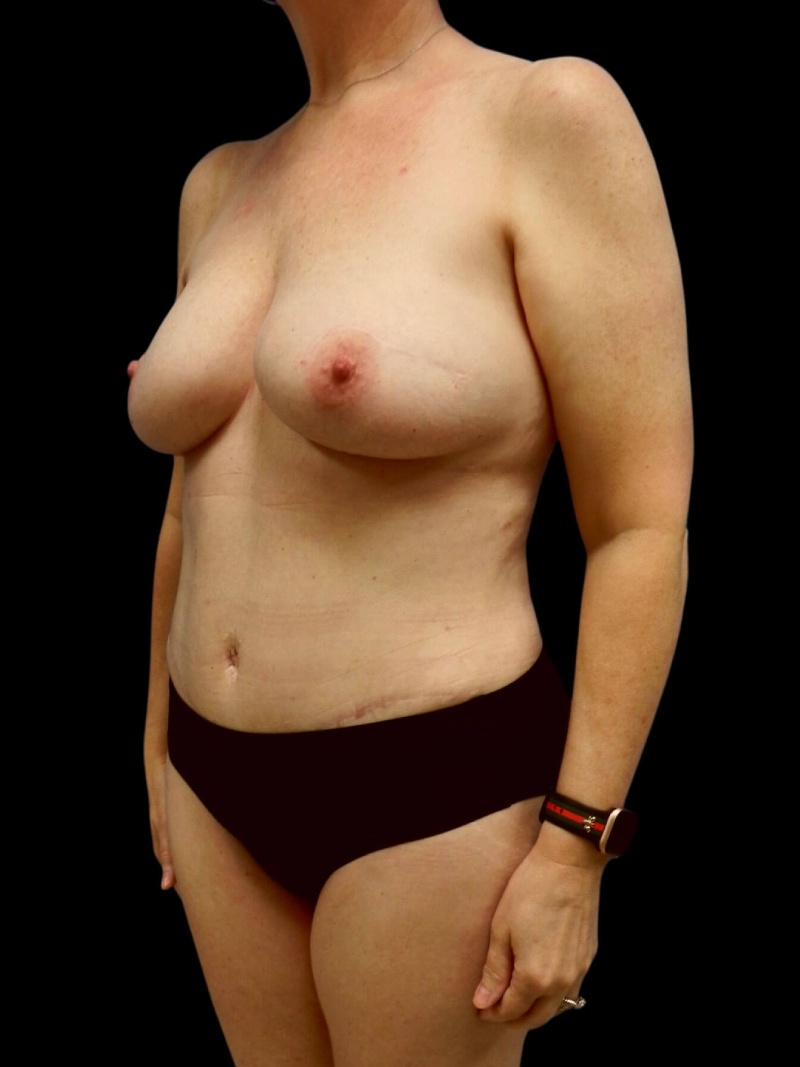
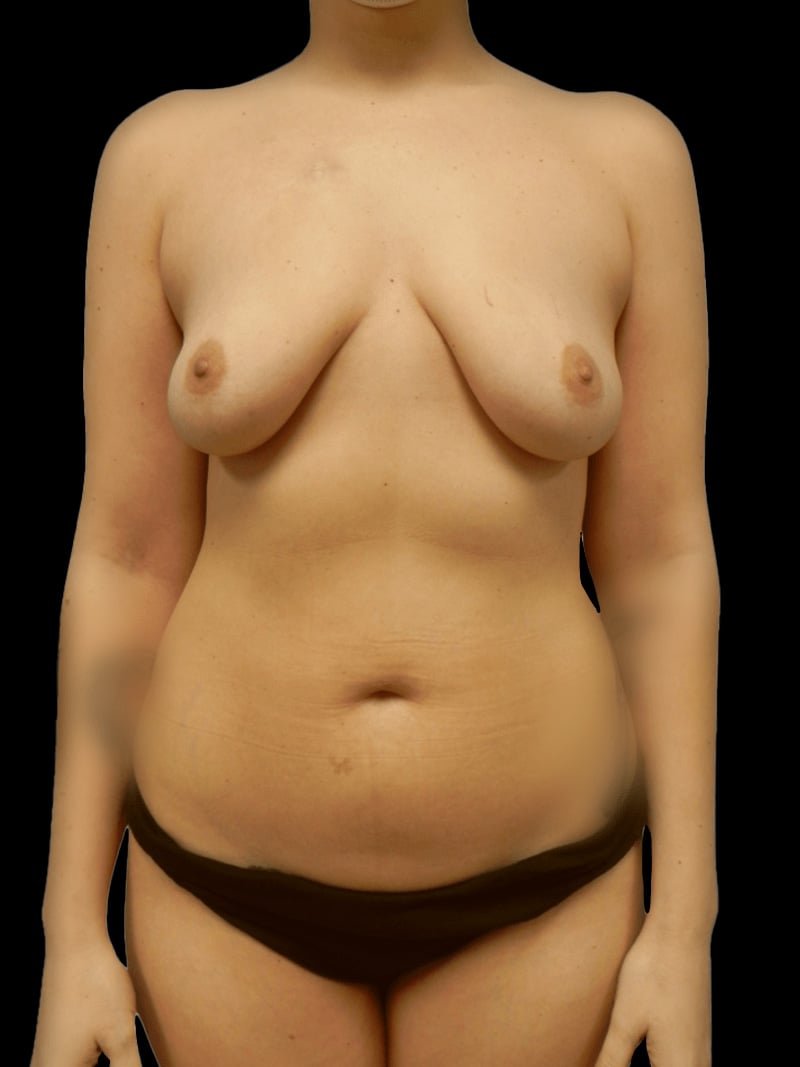
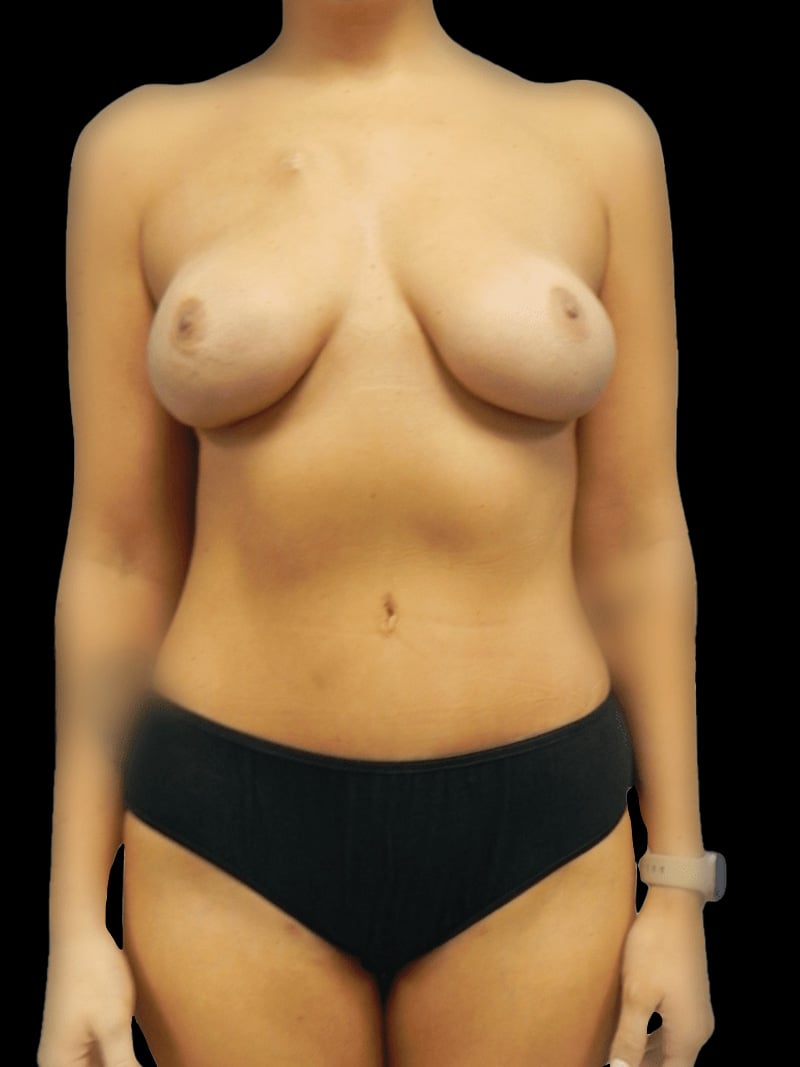
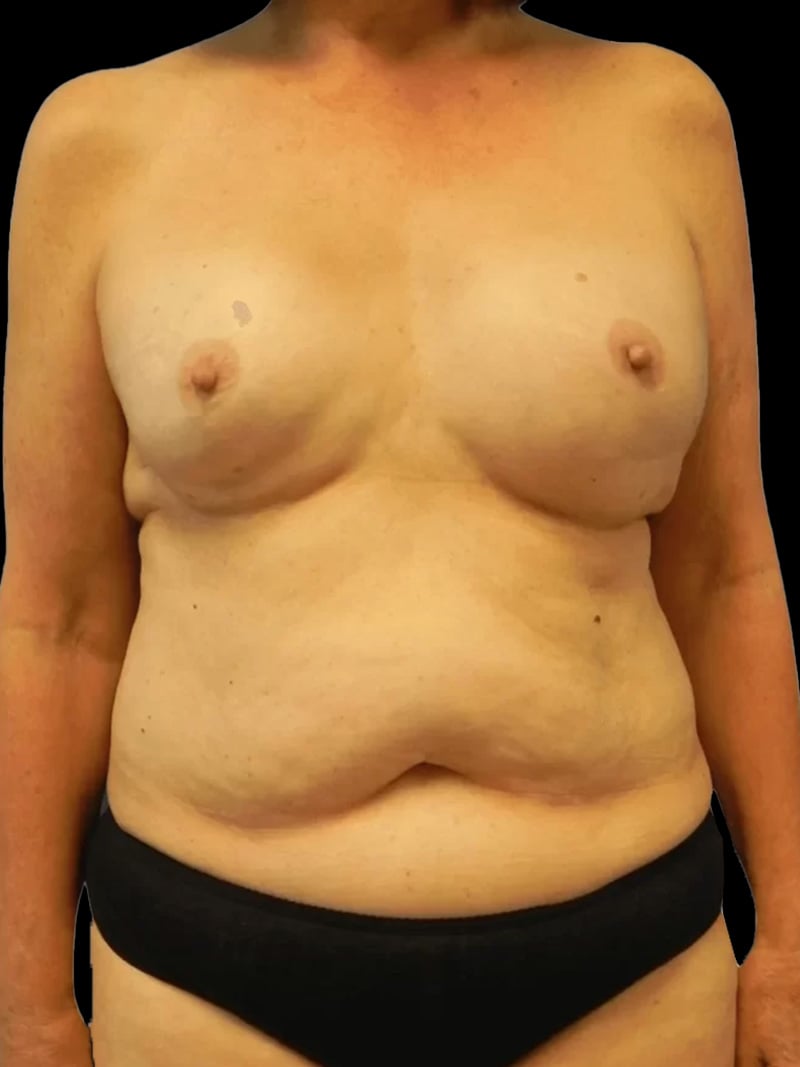
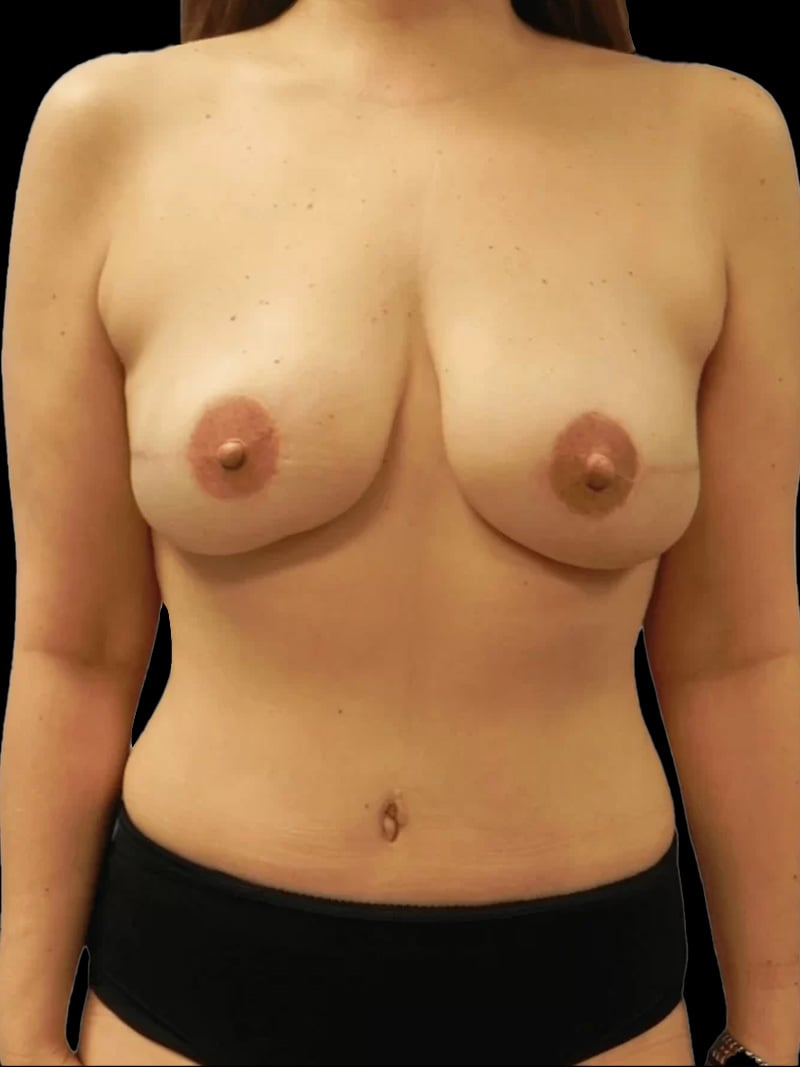
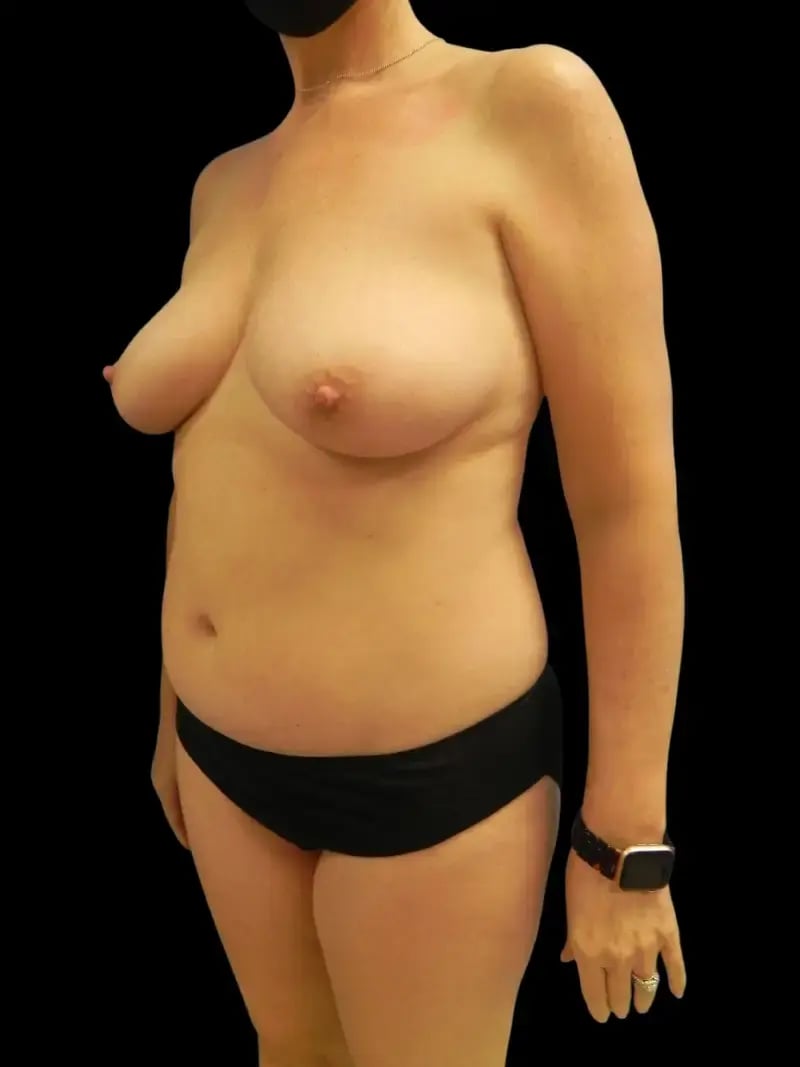
Before & After
Recovery Timeline
Healing looks a little different for everyone. Your timeline will depend on the type of surgery you have, your overall health, and whether your implant removal is combined with breast reconstruction.
-
Week 1:Explant surgery recovery begins immediately after your procedure. It’s normal to have soreness, swelling, and fatigue during the first several days after surgery. Focus on getting plenty of rest, taking short walks to promote circulation, and following your surgeon’s instructions for incision and drain care, if needed.
-
Weeks 2:Many patients begin feeling more comfortable and notice that swelling starts to improve. Depending on your procedure and the type of work you do, you may be able to resume some light daily activities, but strenuous exercise and heavy lifting should still be avoided.
-
Weeks 3-6:As your body continues to heal, you’ll gradually return to your normal routine. Your surgeon will let you know when it’s safe to increase your activity level and resume exercise. Follow-up visits during this time allow your care team to keep track of your progress.
The Nation’s Destination for
Sensation Restoration
Am I a Candidate for Breast Implant Illness Treatment?
If you think your breast implants are contributing to unwanted symptoms, the first step is to meet with a surgeon for a consultation. Explant surgery may be an appropriate option for women who want to remove their implants.
You may be a strong candidate for explant surgery if you:
-
Have breast implants and are living with ongoing symptoms without another clear explanation.
-
Believe your symptoms may be related to your breast implants and want to explore whether implant removal is the best next step.
-
Want to remove your implants with or without removing the surrounding capsule, depending on your surgeon’s recommendation.
-
Are looking for an experienced breast surgeon to walk you through what’s possible and create a personalized treatment plan.
If you’re interested in restoring breast volume after explant surgery, your surgeon can also address whether tissue-based reconstruction, such as a DIEP flap, is an option for you.
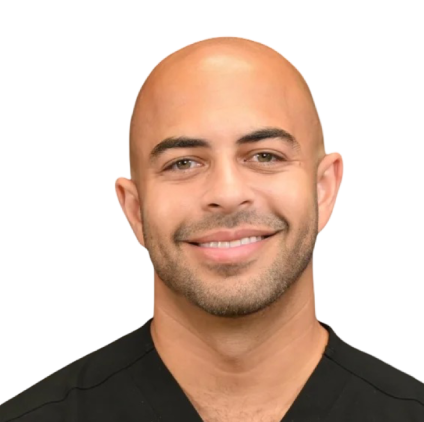
Find Your Surgeon
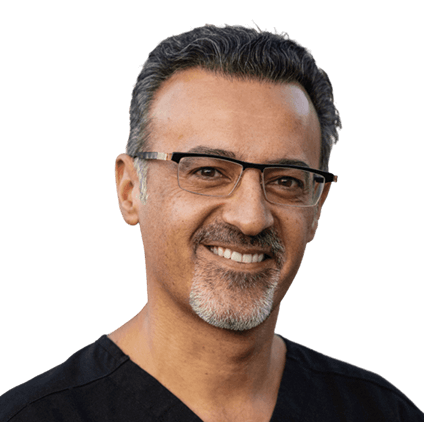
Plastic & Reconstructive Microsurgeon specializing in breast reconstruction and complex microsurgery

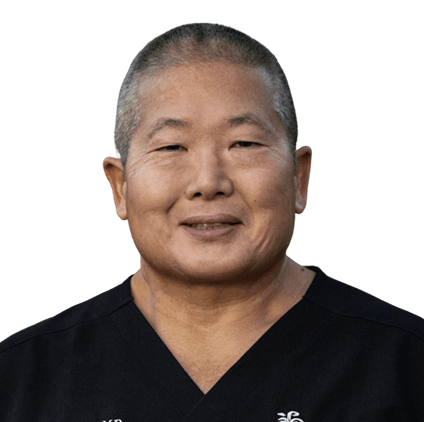
Plastic & Reconstructive Microsurgeon specializing in breast reconstruction and microsurgical care

Will Insurance Cover Breast Implant Illness Treatment?
Insurance coverage for breast implant illness treatment depends on several factors, including the reason for surgery and the details of your individual insurance plan. We’ll work closely with you and your insurance provider to determine your eligibility for coverage, review your benefits, and discuss any out-of-pocket costs before treatment whenever possible.
Our goal is to make navigating insurance as straightforward as possible so you can focus on your care.
For more information, visit our Insurance FAQs in the patient resource center.
Preparing for Surgery
Learn more about:
Frequently Asked Questions
You Deserve Answers, Not Dismissal
Whatever you're feeling, it's real — and PRMA's dual-surgeon team is here to listen, evaluate your symptoms thoroughly, and guide you toward safe, informed options for relief and peace of mind.