PRMA - Web Page – Cosmetic - Facial - Rhinoplasty (1)

Rhinoplasty

What is Rhinoplasty?

Rhinoplasty, often referred to as a “nose job,” is a surgical procedure that reshapes or refines the nose for aesthetic improvement, functional correction, or both. It can address concerns related to size, symmetry, profile appearance, or structural breathing issues.

Because the nose sits at the center of your face, even subtle adjustments can make a meaningful difference in overall facial balance.

PRMA-brow-and-face-lift-what-is-a-browlift

Key Information

checkmark-23x23
Custom-designed to complement your natural facial features
checkmark-23x23
Can improve both cosmetic concerns and breathing function
checkmark-23x23
Performed under general anesthesia
checkmark-23x23
Typically completed in 1.5–3 hours, depending on complexity
checkmark-23x23
May involve reshaping bone, cartilage, or both
checkmark-23x23
Closed (internal) or open (external incision) techniques are available
checkmark-23x23
Swelling gradually improves over several months
checkmark-23x23
Final results continue to be refined for up to one year
checkmark-23x23
Can correct previous rhinoplasty concerns (revision surgery)

Understanding Your Options

Rhinoplasty is not one-size-fits-all. The surgical technique that’s best for you depends on your anatomy and the desired changes.

Open vs. Closed Rhinoplasty

An open rhinoplasty uses a small incision at the base of the nose to allow greater visibility for complex reshaping. A closed rhinoplasty keeps incisions inside the nostrils, leaving no visible scar and often resulting in a slightly faster recovery.

Revision Rhinoplasty

In some cases, structural grafting may be used to support long-term shape and function. For patients seeking correction after a prior procedure, revision rhinoplasty may require advanced techniques to restore both aesthetics and stability.
During your consultation, we’ll explain your options clearly—so you feel confident in every step forward.

What to Expect During Surgery

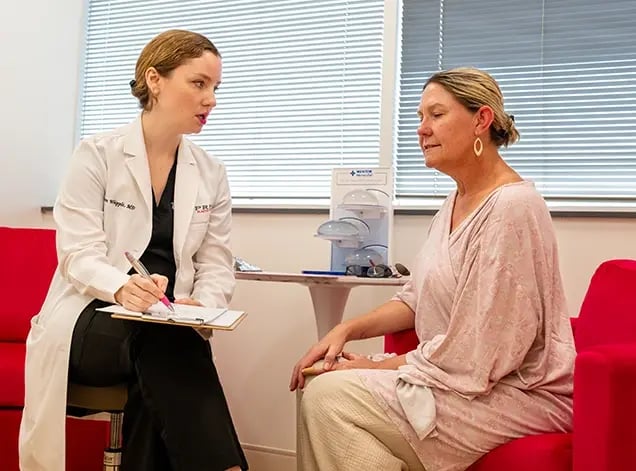
Your rhinoplasty journey begins with a thoughtful, in-depth consultation. During this visit, we evaluate your facial structure, discuss your goals, and design a surgical plan tailored specifically to your anatomy. Every detail is carefully considered to ensure balanced, natural-looking results.

On the day of surgery, your procedure is performed under general anesthesia in an accredited facility. Your surgeon precisely reshapes bone and cartilage to improve both appearance and function. After surgery, you’ll return home the same day with clear recovery instructions and the reassurance of ongoing support from our team.

PRMA-brow-and-forehead-lift-what-to-expect-during-surgery
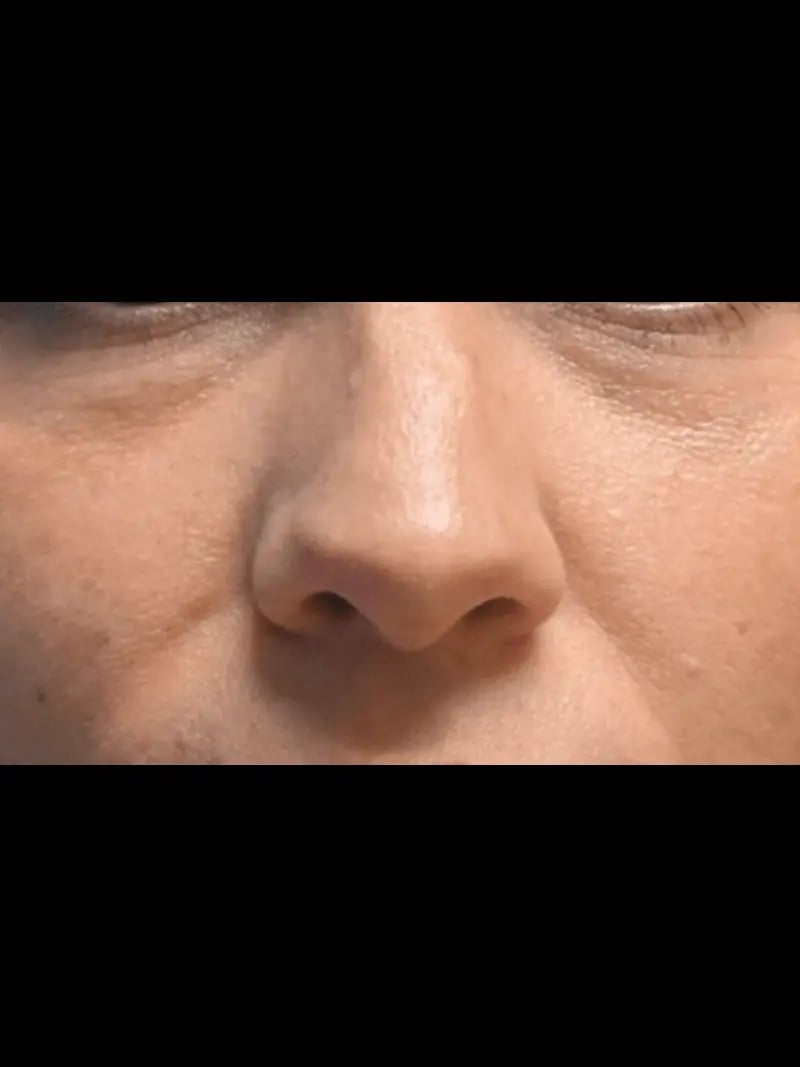
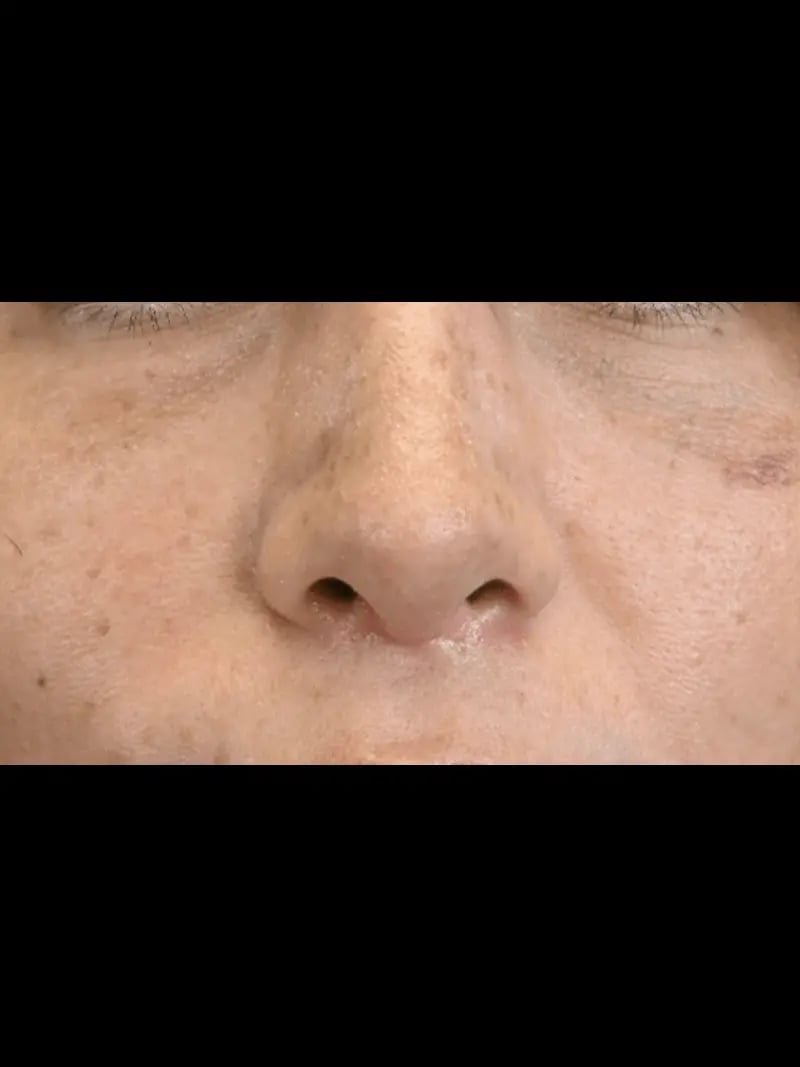
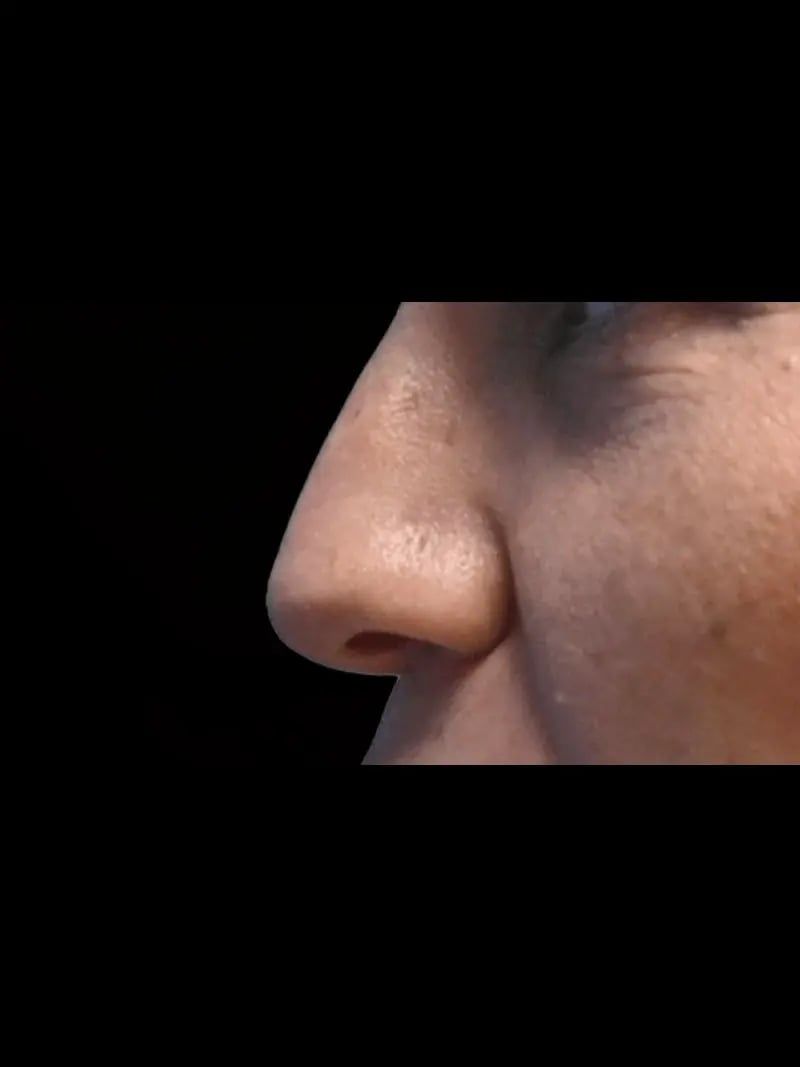
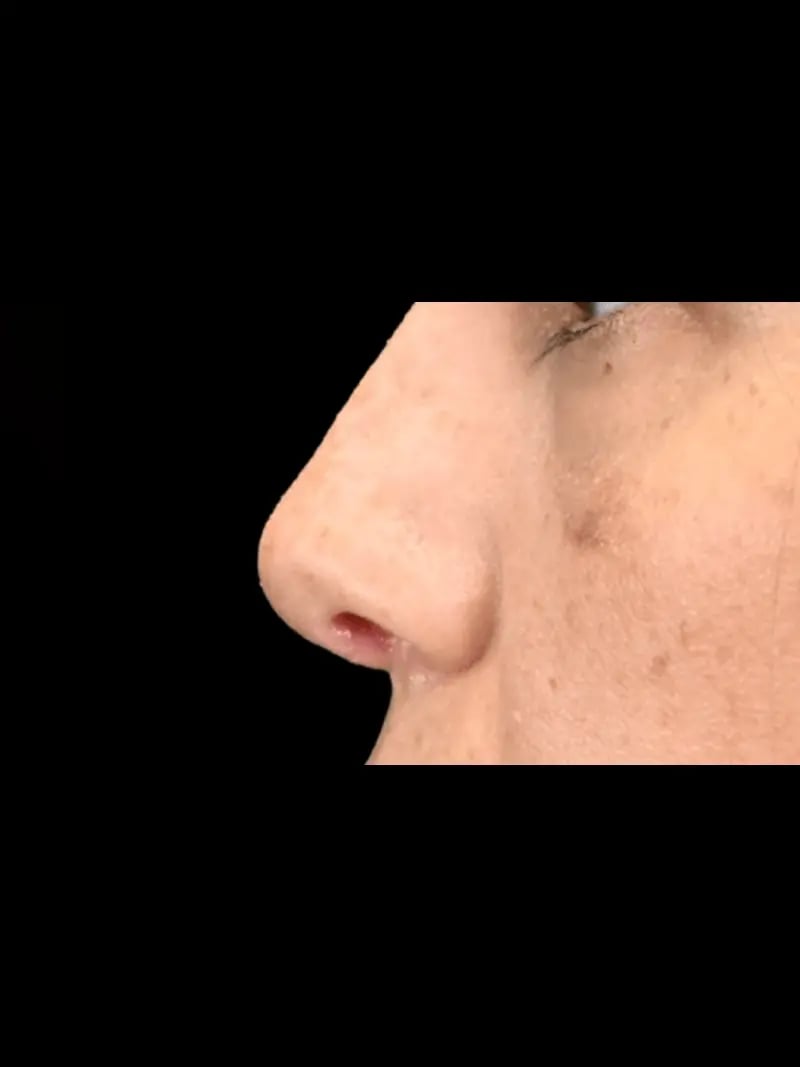
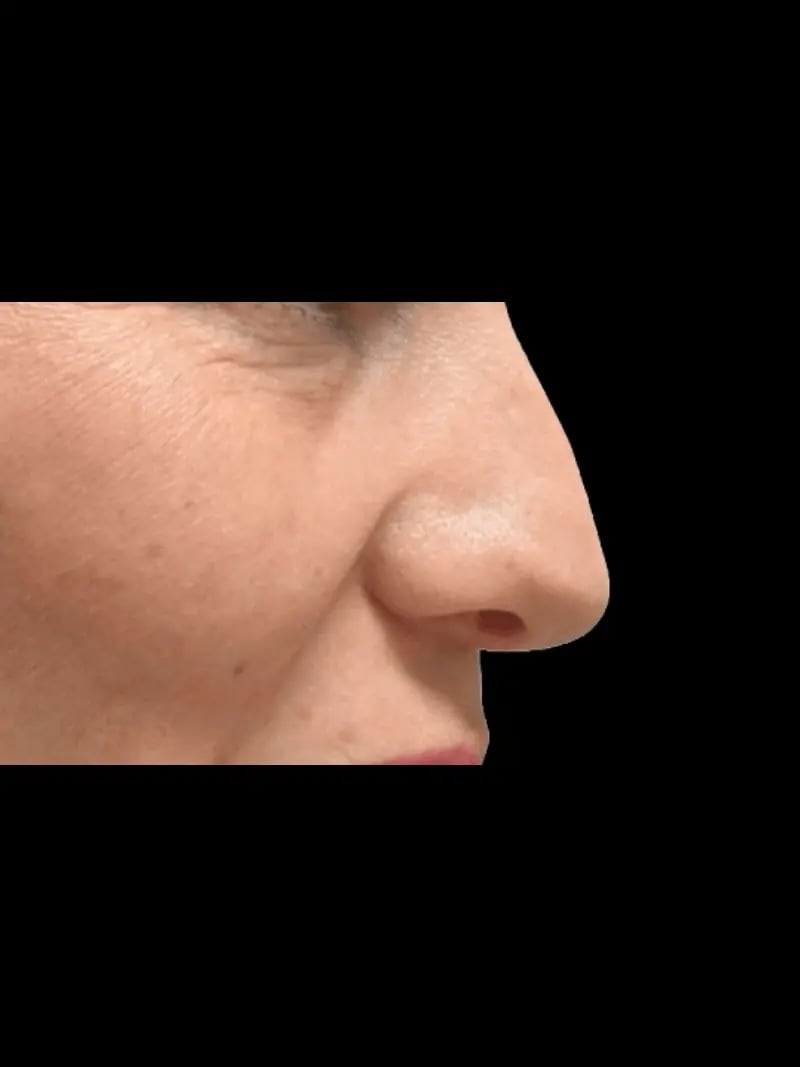
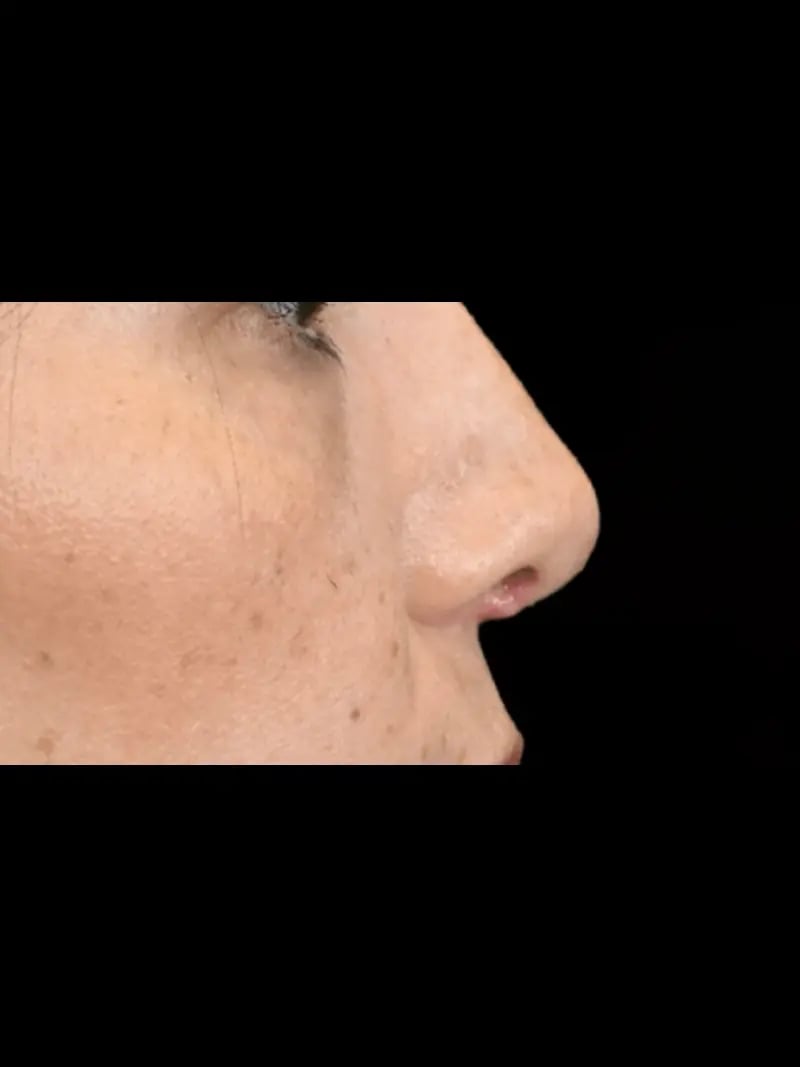
real prma transformations

Before & After

Before rhinobefore2
Before rhinoafter2
Before rhinobefore1
Before rhinoafter1
Before rhinobefore3
Before rhinoafter3

Recovery Timeline

  • Week 1:
    A splint is worn to protect the nose. Swelling and mild bruising around the eyes are common and begin improving within days.
  • Week 2:
    Most visible bruising resolves. Many patients feel comfortable returning to work and social activities.
  • Weeks 3-4:
    Swelling continues to decrease. Light exercise may resume as advised.
  • Long-Term Healing:
    Subtle swelling can persist for several months, with final refinement visible around 9–12 months.

Am I a Candidate for Rhinoplasty?

You may want to consider rhinoplasty if you:

  • Feel your nose is out of balance with your facial features
  • Have a bump, droop, or asymmetry you’d like refined
  • Experience chronic nasal obstruction or breathing difficulty
  • Are unhappy with the results of a previous nose surgery
  • Are in good overall health and have realistic expectations

Rhinoplasty is typically recommended once facial growth is complete.

Find Your Surgeon

PRMA is the only center in San Antonio, Texas, and one of the few centers worldwide that offers cosmetic procedures on such a large scale. Discover why thousands of patients travel from across Texas, the US, and the world for cosmetic surgery. We are proud to have a tremendous global reputation for surgical excellence.
gassmantransparent
Dr. Andrew Gassman
Plastic & Reconstructive Microsurgeon specializing in breast reconstruction and aesthetic surgery
friestransparent
Dr. Anton Fries
Board-Certified Plastic Surgeon specializing in advanced lymphatic surgery and reconstructive microsurgery
whippletransparent
Dr. Lauren Whipple
Plastic & Reconstructive Microsurgeon specializing in breast reconstruction and reconstructive care
acevedotransparent
Dr. Edwin Acevedo
Plastic & Reconstructive Microsurgeon specializing in breast reconstruction and microsurgery

Will Insurance Cover Rhinoplasty Surgery?

Rhinoplasty performed for cosmetic purposes is typically not covered by insurance.

However, if the procedure addresses breathing issues caused by a deviated septum or structural obstruction, partial coverage may be available. Our team will help determine eligibility and guide you through financing options when needed.

For more information, visit our Insurance FAQs in the patient resource center.

PRMA-brow-and-forehead-lift-preparing-for-surgery

Preparing for Surgery

Feeling prepared brings peace of mind. From your first consultation to post-operative care instructions, our team ensures you understand every step.

Learn more about:

Frequently Asked Questions

How much does rhinoplasty cost in San Antonio?
Rhinoplasty costs vary based on complexity and whether functional correction is included. After your consultation, we’ll provide a clear, personalized quote. If breathing issues are involved, insurance may cover part of the procedure. Our team will walk you through your options.
How long does it take to recover from rhinoplasty?
Most patients return to work within 7–10 days. Bruising and noticeable swelling improve significantly in the first two weeks. Final refinement continues gradually over 9–12 months.
Will rhinoplasty drastically change the way I look?
Rhinoplasty should enhance balance—not change who you are. Our goal is subtle, natural refinement that complements your features. Most patients look refreshed, not different.
Is rhinoplasty painful?
Most patients describe pressure and congestion, not significant pain. Discomfort is typically mild and well-managed with medication during the first few days.
Can rhinoplasty improve breathing problems?
Yes. Rhinoplasty can correct structural issues like a deviated septum that restricts airflow. If medically necessary, functional correction can often be performed during the same surgery.
What is the difference between open and closed rhinoplasty?
Closed rhinoplasty uses internal incisions with no visible scar and is often used for simpler refinements. Open rhinoplasty involves a small external incision and allows greater precision for more complex changes.
Can rhinoplasty fix a previous nose surgery?
Yes. Revision rhinoplasty can improve cosmetic or structural concerns from a prior procedure. Because these cases are more complex, careful evaluation and advanced planning are essential.

Refine Your Profile. Reveal Your Confidence.

Facial harmony isn’t about perfection—it’s about balance. When your features feel aligned, confidence follows naturally.

If you’ve been considering rhinoplasty, we’re here to answer your questions and help you explore your options with clarity and care.

Schedule Your Consultation