

Capsular Contracture Treatment
- Home
- Breast Reconstruction
- Revision Corrective Surgery
- Capsular Contracture
What is Capsular Contracture?
Capsular contracture happens when the scar tissue that naturally forms around a breast implant tightens and thickens. As this tissue hardens, it can squeeze the implant, causing firmness, discomfort, or a visible change in the shape or position of the breast. It's one of the most common reasons women return for revision surgery after implant-based reconstruction.
If you're experiencing capsular contracture, you have more options than you may realize. PRMA's surgeons offer a full spectrum of treatments, from capsulectomy and implant revision to natural-tissue DIEP flap reconstruction, so you can find lasting relief and move forward with confidence.

Key Information
- Capsular contracture is scar tissue tightening around an implant
- Common signs include firmness, pain, and a change in breast shape
- Baker Grades I–IV classify contracture severity, from soft and natural (I) to firm, painful, or visibly distorted (IV)
- Radiation and infection can increase your risk of recurrence
- Treatment ranges from capsulectomy to full implant removal
- DIEP flap reconstruction replaces implants with your own tissue
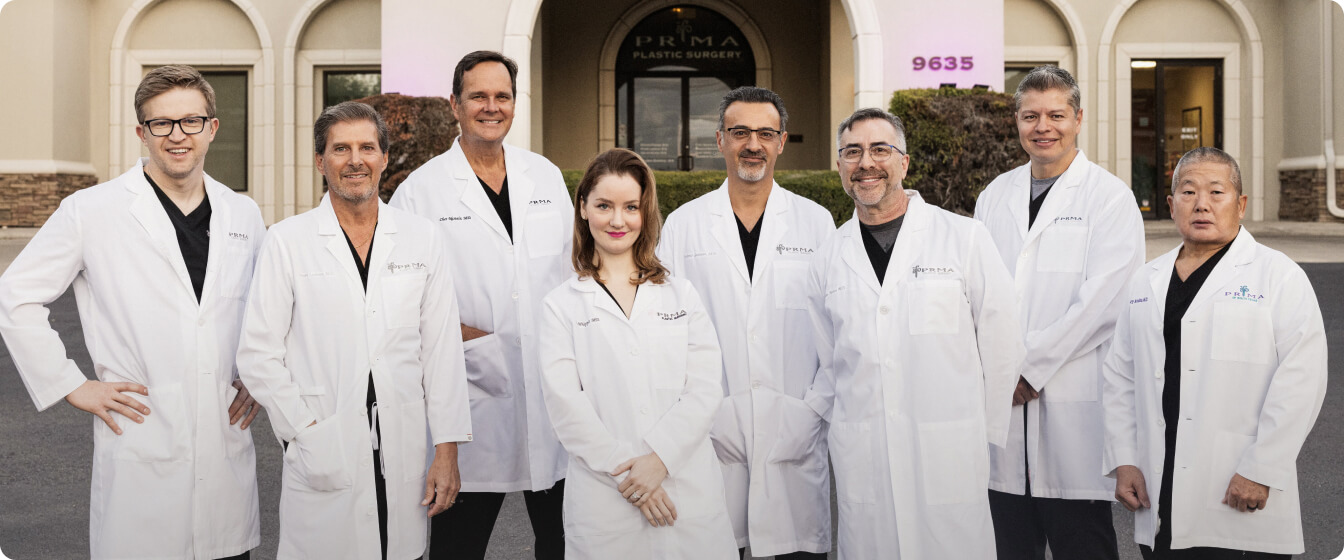
- PRMA's dual-surgeon approach supports safety and precision
- Natural tissue reconstruction may lower your risk of recurrence
Understanding Your Options
Capsulectomy
Implant Revision Surgery
DIEP Flap Reconstruction
What to Expect During Surgery
Every capsular contracture procedure at PRMA begins with a thorough evaluation of your implant, your scar tissue, and your goals for treatment. During surgery, your surgeon will remove the hardened capsule and, depending on your plan, either replace the implant, reposition it, or transition you to natural tissue reconstruction.
Many of our patients choose to combine capsule removal with DIEP flap reconstruction in the same surgery, allowing you to address the contracture and move to a natural, implant-free result at once. As with all of PRMA's flap procedures, this option is performed using our dual-surgeon approach, with two experienced microsurgeons working together for enhanced safety and precision.
Your surgical team will explain each step in detail during your consultation, including anesthesia, expected surgery time, and what your specific procedure will involve, so you feel informed and prepared before your surgery date.
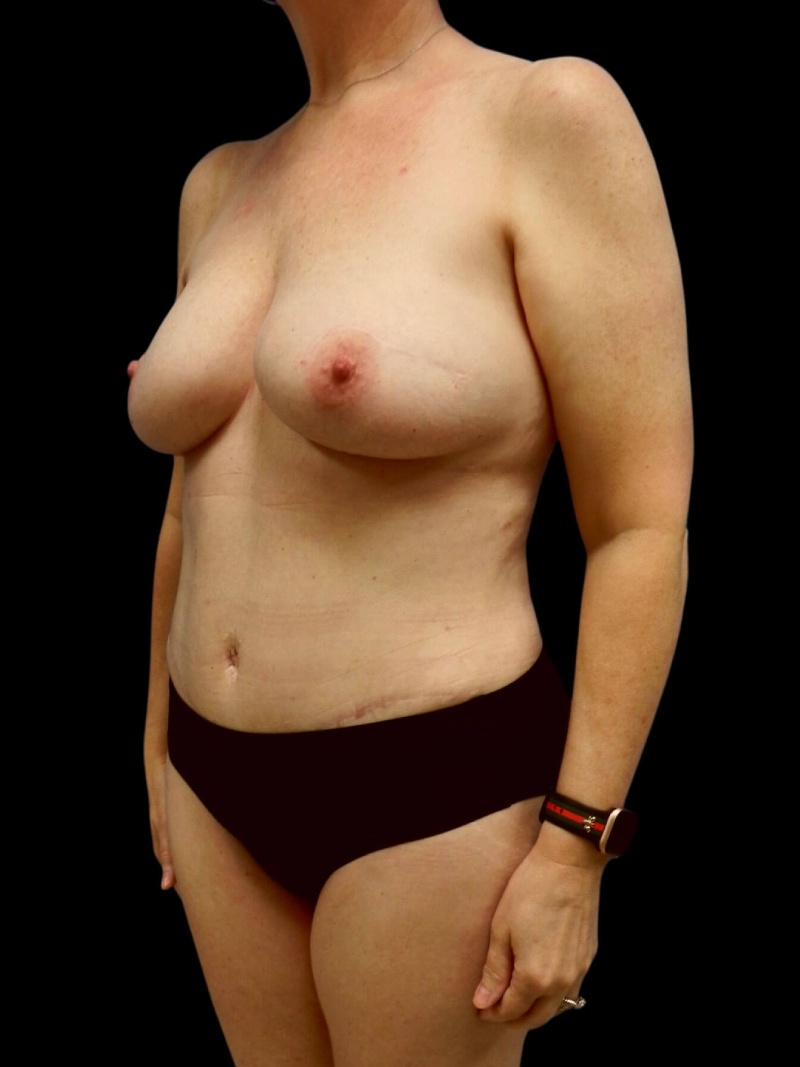
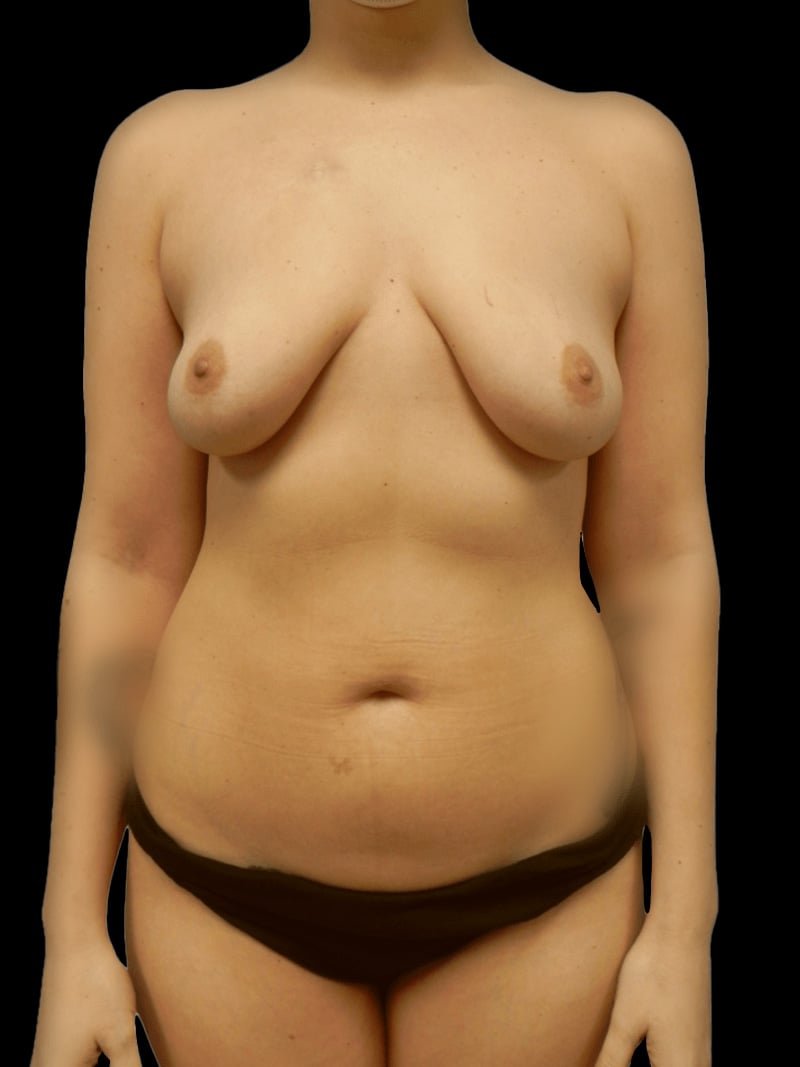
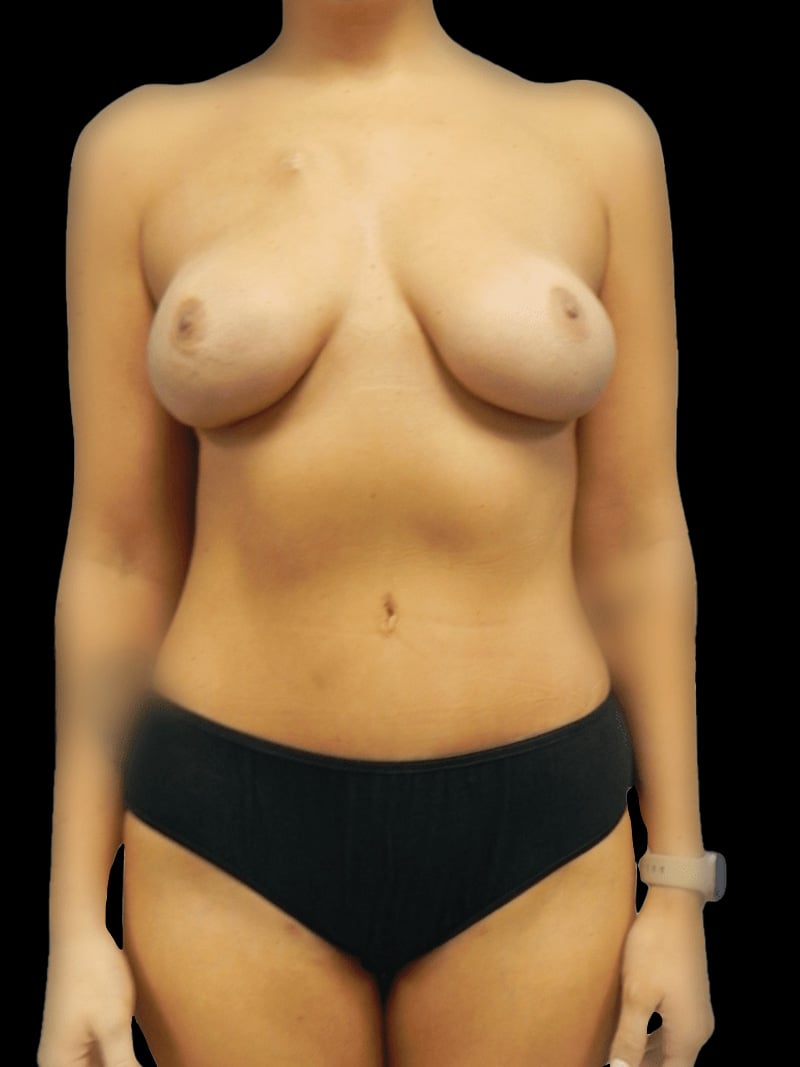
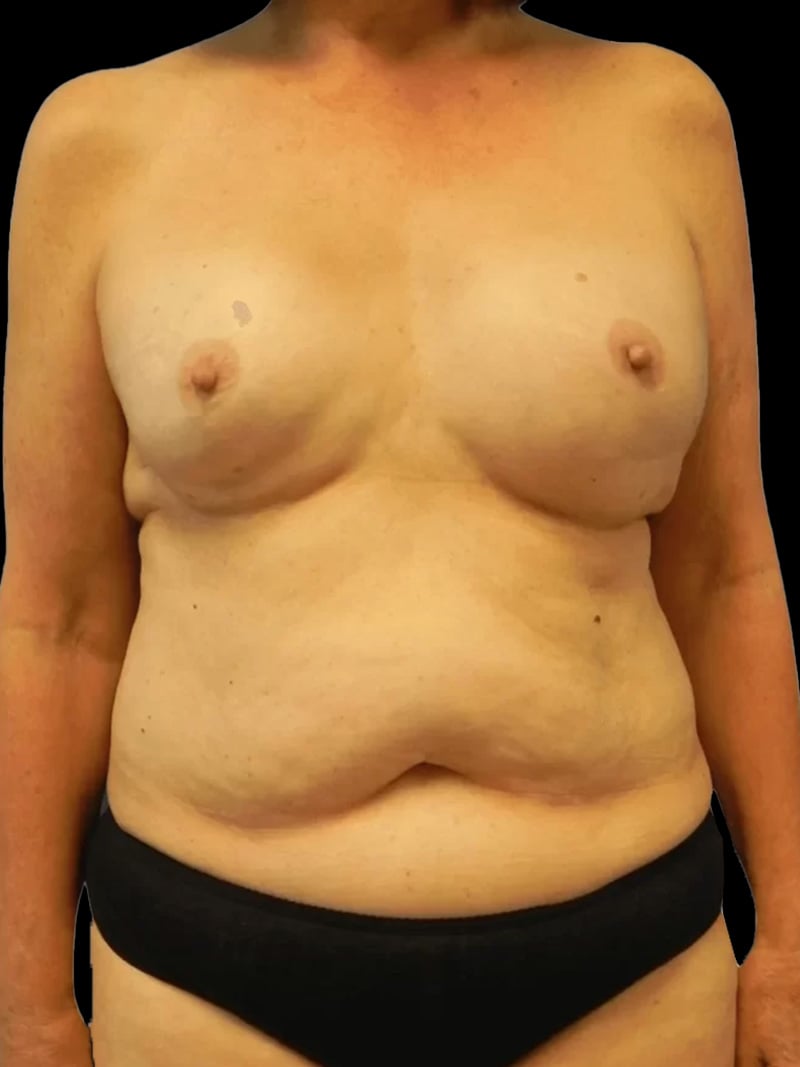
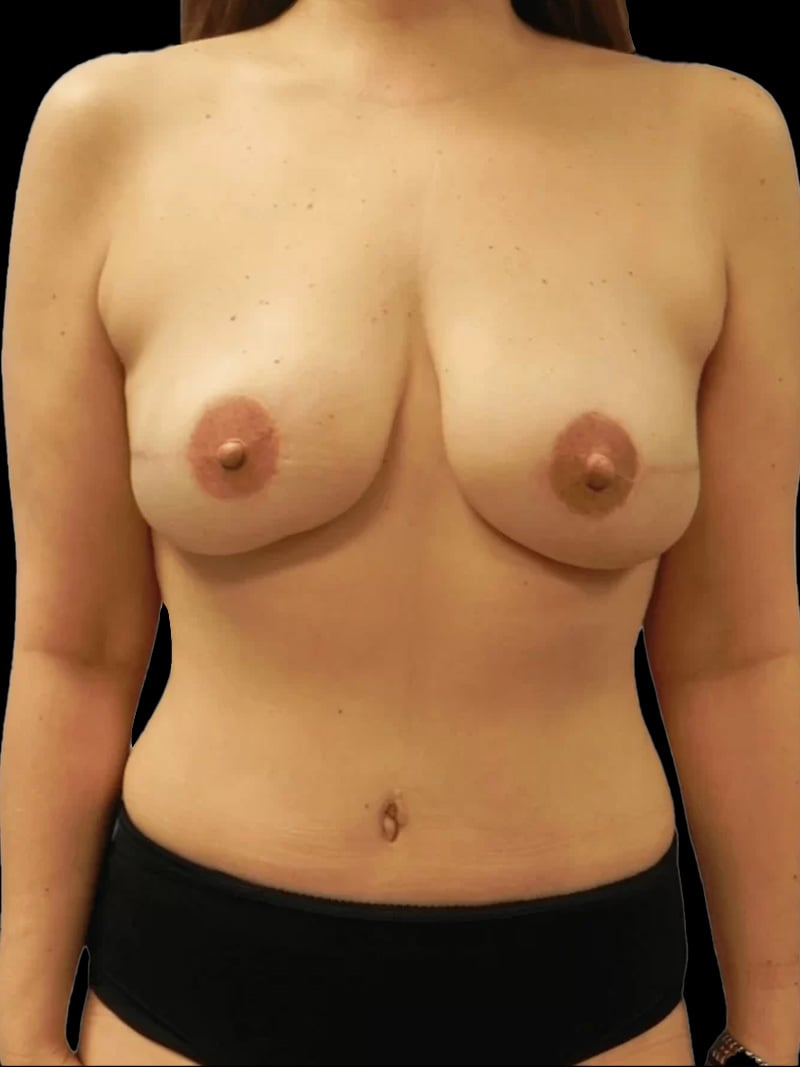
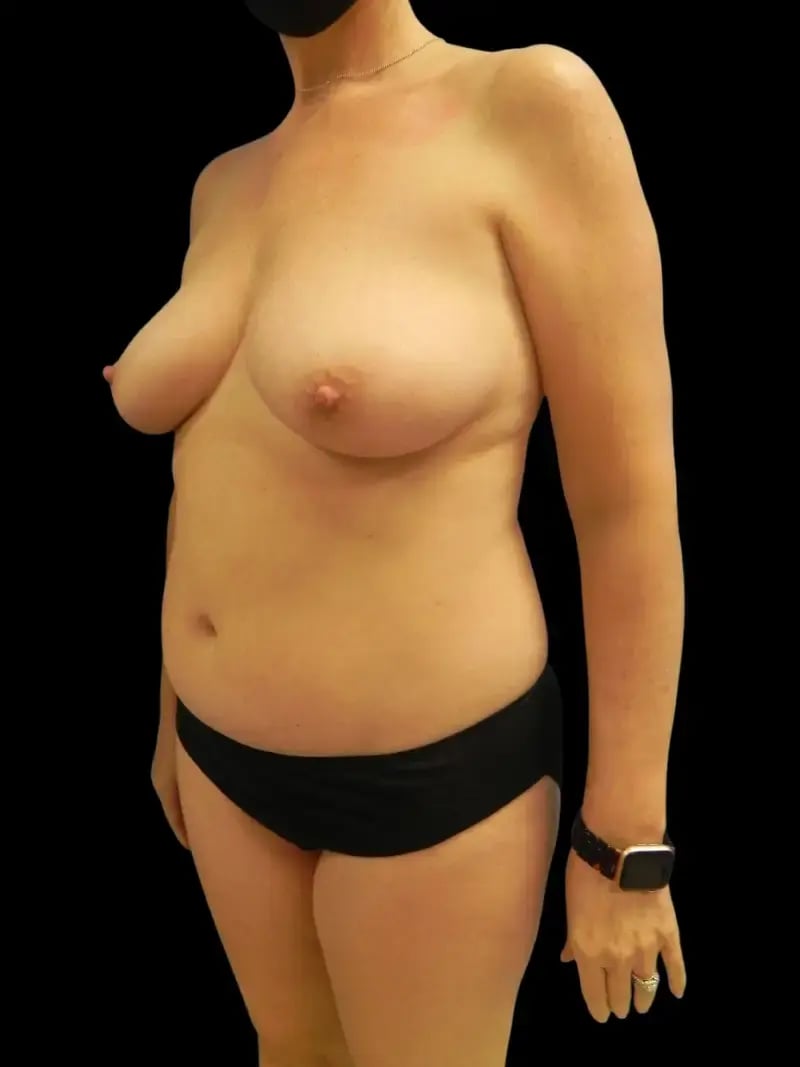
Before & After
Recovery Timeline
-
Week 1Rest is the priority during your first week of recovery. You may notice swelling, tenderness, or tightness around the treatment area, and it's normal to feel more tired than usual. Your care team will monitor your incisions closely and give you guidance on managing any discomfort.
-
Weeks 2Most patients see a noticeable reduction in pain and swelling by the second week. You can typically resume light daily activities, such as short walks or gentle household tasks, with your surgeon's guidance. Any surgical drains, if used, are often removed around this time.
-
Weeks 3Energy levels continue to improve, and many women feel more like themselves again. Depending on the procedure performed, you may be cleared to return to non-strenuous work or resume light exercise. Your surgeon will continue to check your healing progress at follow-up visits.
-
Weeks 4Swelling continues to subside and your results begin to take a more natural shape. Your surgeon will confirm when you can resume regular exercise, driving, and other everyday activities. Most patients feel confident and comfortable in their new results by this point, though full healing may continue for several more weeks.
The Nation’s Destination for
Sensation Restoration
Am I a Candidate for Capsular Contracture Treatment?
You may be a candidate for treatment if you're experiencing firmness, pain, or a change in the shape of your reconstructed or augmented breast. A consultation with a PRMA surgeon is the best way to understand which option is right for you.
Below is a quick screening you can give yourself.
-
You have noticeable firmness, tightness, or distortion around an implant
-
You're experiencing pain or discomfort that affects daily life
-
You've had capsular contracture before and are concerned about recurrence
-
You're interested in transitioning away from implants altogether
-
You want to understand every option before deciding on treatment
If you answered 'Yes’ to one or more of these questions, it may be a good idea to schedule a consultation with one of our surgeons.
Find Your Surgeon
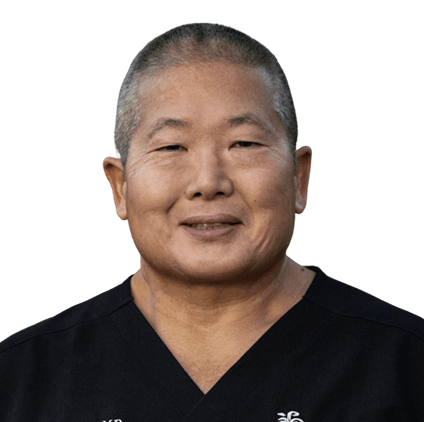
Plastic & Reconstructive Microsurgeon specializing in breast reconstruction and complex microsurgery

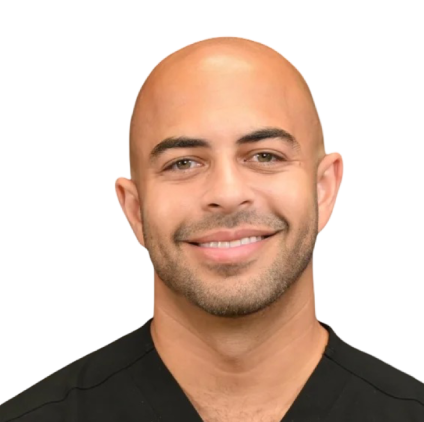
Plastic & Reconstructive Microsurgeon specializing in breast reconstruction and microsurgical care

Will Insurance Cover Capsular Contracture Treatment?
Capsular contracture treatment is often covered under federal law for patients who have had breast reconstruction after mastectomy, and PRMA's team is experienced in working with insurance providers on your behalf.
For more information, visit our Insurance FAQs in the patient resource center.
Preparing for Surgery
Learn more about: