



Breast Neuropathy
- Home
- Breast Reconstruction
- Breast Neuropathy
What is Breast Neuropathy?
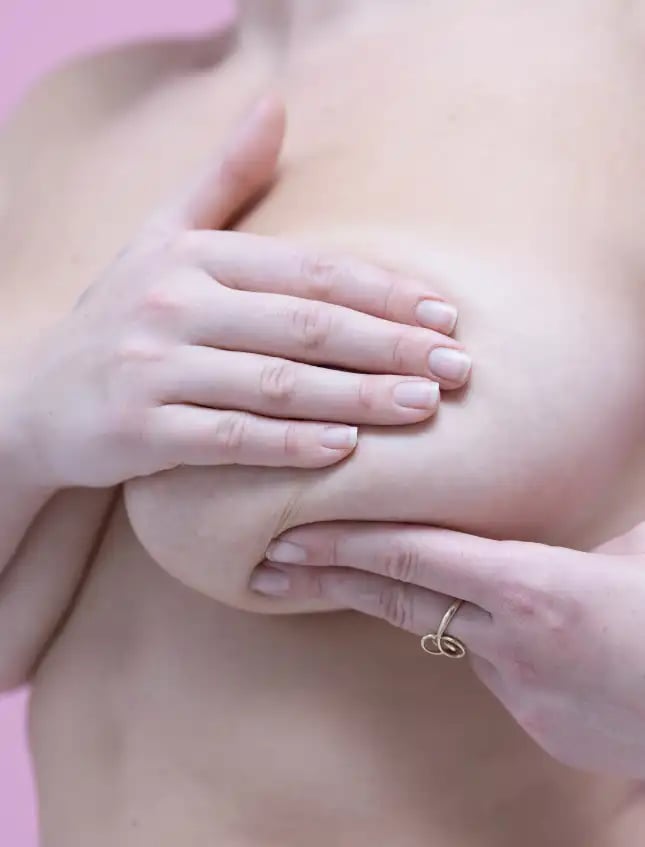
Breast neuropathy refers to nerve pain, numbness, burning, or tingling that develops after mastectomy or breast reconstruction. While these sensations fade with healing for some women, for others, they persist as post-mastectomy pain syndrome (PMPS) — a real, diagnosable condition, not something you simply have to live with.
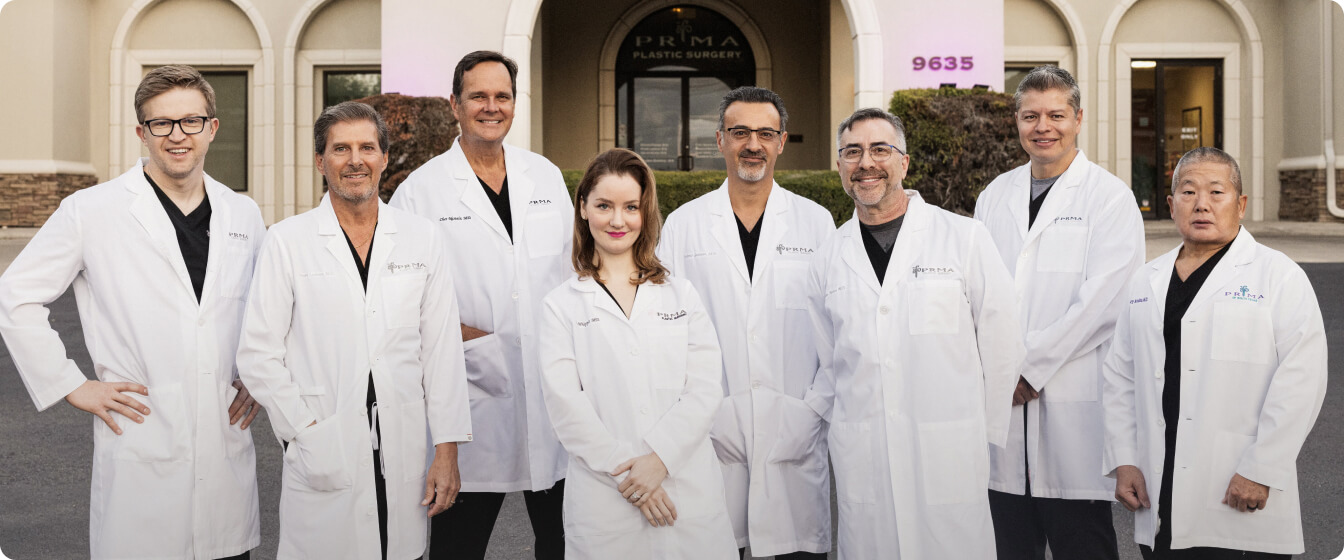
At PRMA Plastic Surgery, our dedicated PMPS Program identifies the exact nerve pathway causing your pain and builds a treatment plan around it, so you can find lasting relief.
Key Information
- Nerve pain can appear right after surgery or develop months later
- Common symptoms include burning, tingling, numbness, and shooting pain
- PMPS is a recognized, diagnosable condition, not something to "live with"
- Treatment is tailored to the specific nerve pathway involved
- Many patients experience significant, lasting relief after treatment
- Insurance may cover treatment when it's medically necessary
Understanding Your Options
No two cases of post-mastectomy pain syndrome are the same, which is why treatment starts with pinpointing exactly which nerve or nerves are involved. From there, your care team builds a plan that may combine nonsurgical and surgical approaches, always starting with the least invasive option that can offer relief.
Conservative & Non-Surgical Treatments
- Medications — Over-the-counter pain relievers, prescription nerve medications (like gabapentin or amitriptyline), muscle relaxers, and topical creams can ease symptoms.
- Physical Therapy — Targeted exercises, myofascial release, and TENS therapy can ease nerve compression and improve mobility.
- Nerve Blocks & Injections — Steroid injections, intramuscular Botox, or nerve blocks can offer temporary relief and help pinpoint the source of pain.
Advanced Surgical Options
When conservative treatments fail, these interventions are often the most effective at providing long-term or permanent relief:
- Neuroma Excision — Removes painful scar tissue that's formed on a damaged nerve.
- Nerve Reconstruction — Reconnects the two ends of a damaged nerve, or redirects it to a healthy nerve or muscle target for regeneration, using techniques like targeted muscle reinnervation (TMR) or regenerative peripheral nerve interface (RPNI). This is sometimes performed as part of a TruSense breast reconstruction, and can reduce pain while improving sensation.
- Nerve Decompression & Wrapping — Releases a compressed nerve and protects it with healthy tissue.
- Implant-to-Flap Conversion — Many patients with PMPS find relief by converting from implants to autologous (natural tissue) reconstruction.
What to Expect During Surgery
Most PMPS procedures are outpatient or require only a short stay, and are performed by Dr. Merceron and PRMA's specialized PMPS team. Because these procedures target a specific nerve pathway identified during your workup, incisions are typically small and precisely placed.
Your treatment plan may involve a single procedure or a staged approach that combines surgical and nonsurgical care. Throughout, the goal is the same: relieve pain at its source so you can get back to your life.

The Nation’s Destination for
Sensation Restoration
Am I a Good Candidate for Breast Neuropathy Treatment?
You may be a candidate for PMPS treatment if you're experiencing ongoing nerve pain or numbness after mastectomy or reconstruction that hasn't resolved with time. Good candidates typically include women who:
- Have persistent burning, tingling, or shooting pain months after surgery
- Have tried conservative pain management without lasting relief
- Notice pain that limits daily activities, sleep, or movement
- Want a dedicated evaluation to identify the exact source of their pain
Find Your Surgeon
Plastic & Reconstructive Microsurgeon specializing in breast reconstruction and complex microsurgery
Plastic & Reconstructive Microsurgeon specializing in breast reconstruction and microsurgical care

Will Insurance Cover Neuropathy Treatment?
Unlike elective cosmetic procedures, treatment for post-mastectomy pain syndrome addresses a functional medical condition, ongoing nerve pain following cancer treatment, so it's often considered medically necessary. Many insurance plans provide coverage in these cases, though the details vary by plan and diagnosis. Our care team can help you understand what your specific policy covers.
For more information, visit Insurance FAQs in the patient resource center.